
Introduction
Starting a garden is such an exciting journey for any homeowner. You might have visions of lush green hedges or bright flowers lining your porch. But have you ever wondered why some plants thrive while others simply wither away after one winter? The secret lies in understanding hardiness zones. These zones act as a roadmap for your success. They help you choose the right trees and flowers that can actually survive the local weather.
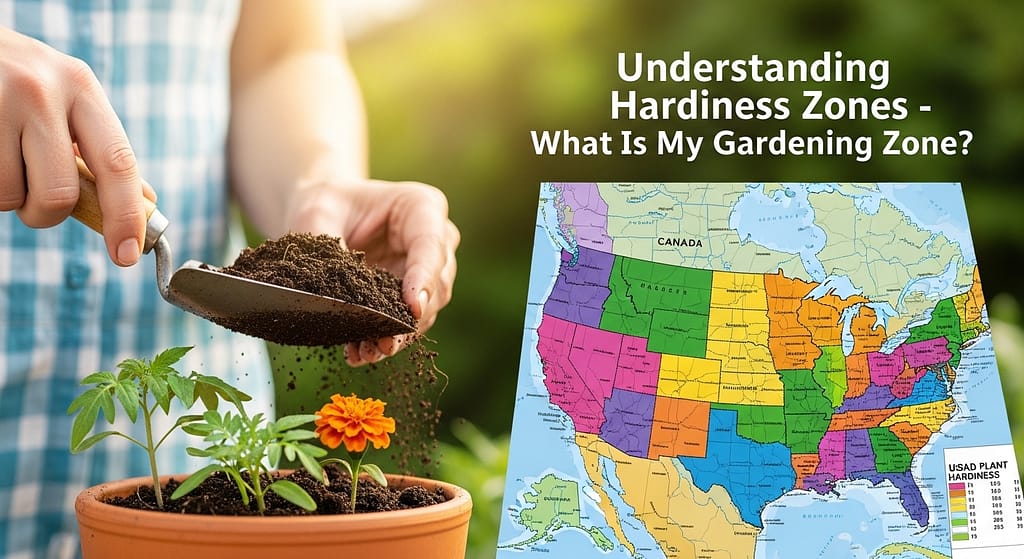
When you look at a hardiness zone map Canada, you are looking at years of weather data packed into a simple guide. This blog, by MPR Landscapes, will walk you through the plant hardiness zones Canada system so you can garden with confidence. Let’s figure out what is your gardening zone together so your backyard can finally reach its full potential.
Understanding Hardiness Zones
To get started, we need to look at what these zones actually represent. A plant hardiness index is not just about how cold it gets on a Tuesday in January. It is a complex hardiness zone analysis that looks at many factors. This includes things like the hardiness zone average temperature, frost-free days, and snow cover. Agriculture Canada developed these metrics to help farmers and homeowners. They use hardiness zone modeling to predict if a plant will live through the winter.
The Evolution of the Maps
The hardiness zone history goes back quite a long way. Originally, people just guessed based on what their neighbors grew. Now, we have hardiness zone data that makes it much more scientific. But why does it matter so much? It matters because of plant hardiness. This is the ability of a living thing to survive stressful conditions. If you buy a plant that is meant for a tropical climate, it won’t handle a Canadian winter. It will lack the plant cold-hardiness needed to stay alive.
Reading the Labels
You might see a plant zone label at your local shop. This plant zone indicator tells you the plant hardiness classification for that specific species. If the label says Zone 6 and you live in Zone 4, that plant is going to have a hard time. It is all about hardiness zone plant suitability. You want to match the plant to the land. This is the first step in hardiness zone garden planning.
What are the Garden Zones?
When you look at an Ontario gardening zone map, you will see different colors and numbers. These are the hardiness zone categories. The Canadian hardiness zone scale ranges from 0 to 9, where Zone 0 represents the extreme Arctic regions and Zone 9 represents the mildest areas, such as parts of coastal BC and southern Ontario. Each zone corresponds to a range of average minimum winter temperatures.
Decoding Letters and Numbers
Most people in Ontario will be looking at hardiness zone 5A or hardiness zone 6A. But what do those letters mean? Each numerical zone is split into hardiness zone A/B split sections. This is a way to show hardiness zone regional variation on a small scale. For example, Zone 6a is slightly colder than Zone 6b. These hardiness zone divisions are helpful for precise hardiness zone garden design.
Visualizing the Data
A hardiness zone map colour-coded system makes it easy to see where you stand. You can look at a hardiness zone map alphanumeric version too. It uses the numbers and letters we just talked about. This plant zone chart is your best friend when shopping.
- Hardiness zone A is usually the colder half of a zone.
- Hardiness zone B is the slightly warmer half.
- Hardiness zone numbers indicate average minimum winter temperatures.
- Hardiness zone symbols on a map show different terrain.
- Hardiness zone colors help you find your city fast.
This hardiness zone classification helps you understand hardiness zone frost tolerance. If you’ve ever wondered, “Does a plant die the moment it feels a chill? Or can it handle a deep freeze?” Know that that is what plant frost-hardiness is all about!
When you use a hardiness zone plant suitability chart, you are looking at the plant hardiness rating zone for each item. It is a great way to ensure hardiness zone winter-survivability.
What Is My Gardening Zone?
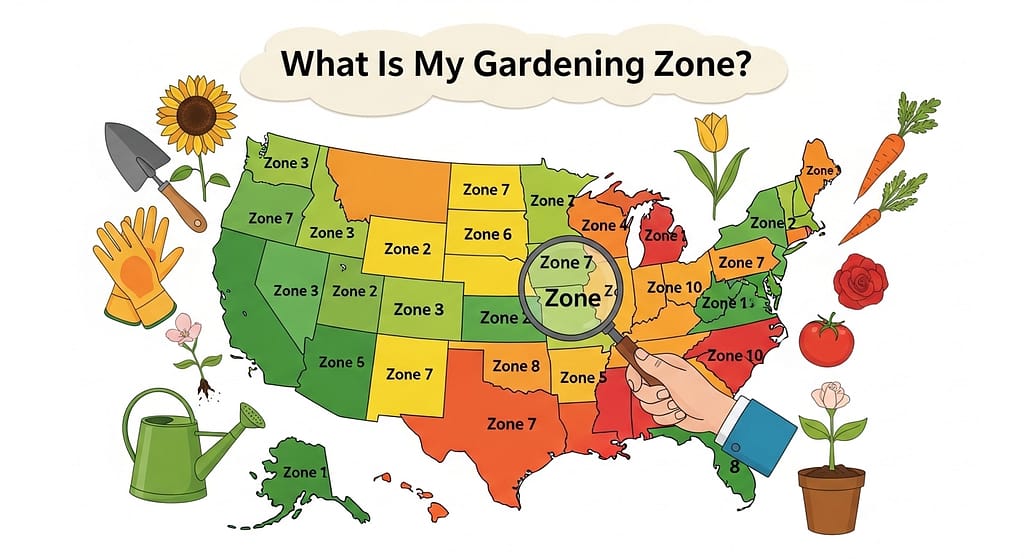
So, you are standing in your yard and asking, “What is our growing zone?” This is a common question. To find out, you should check a hardiness zone map Ontario. You can also find a hardiness zone plant lookup tool online. You just type in your postal code. This gives you your plant zone designation instantly.
Making Smart Purchases
Knowing your zone changes how you buy things at the hardiness zone garden centre selection. You won’t waste money on things that will die in October. Instead, you look for hardiness zone plant recommendations that fit your specific hardiness zone regional climate. This is the key to hardiness zone climate resilience.
Examples of Zone Matching
Let’s look at how this works in real life because picking the wrong plant for a Toronto backyard is an expensive mistake. Imagine you are at a local nursery and you fall in love with a delicate Japanese Maple. These trees are famous for their beauty, but they can be very sensitive to deep southern Ontario freezes. Before you buy it, you should always check the plant zone legend on the back of the tag.
- You see the tree is rated for Zone 8, but most of Toronto is actually a Zone 6 or 7 area.
- Because a Toronto winter gets much colder than a Zone 8 plant can handle, that tree might die during its first harsh January.
- To avoid the heartbreak of a dead tree in the spring, you decide to plant a Serviceberry or a Sugar Maple instead.
- It is a much smarter choice because it has the plant winter-hardiness required to survive the local GTA climate.
- Choosing a variety that fits your specific hardiness zone plant suitability ensures it stays healthy without needing a plant indoor shelter.
This is why hardiness zone plant selection is so important for city gardeners. You want your garden to be a long-term success, not a constant struggle against the cold.
This kind of hardiness zone plant selection saves you a lot of heartbreak. It is about hardiness zone plant guidance. You are looking for hardiness zone winter-survivable options. This is why hardiness zone horticulture is so useful. It turns guesswork into a plan.

What Hardiness Zone Am I In?
Finding your exact spot on the Ontario plant zones map can be tricky if you live near hardiness zone borders. These hardiness zone boundaries are not walls. They are areas where the climate starts to blend. If you live on one of these hardiness zone cut-offs, you should be careful. It is often safer to pick plants from a colder zone just in case.
Using Government Resources
You should also look at the hardiness zone Ministry of Natural Resources (MNR) website. They provide a very detailed hardiness zone map Canada. It shows hardiness zone annual temperature shifts. This helps with hardiness zone landscaping guide decisions. If you know you are in a cold pocket, you can plan for plant winter-survival.
Spotting Your Microclimate
Have you noticed that the snow melts faster against your house than it does in the middle of the yard? That is a microclimate. These small areas can actually be half a zone warmer than the rest of your property.
- South-facing walls soak up the sun.
- Fences can block the biting wind.
- Large rocks hold onto the day’s heat.
- Low spots in the yard catch the cold air.
- Overhanging roofs keep the frost off.
Identifying these spots is a huge part of hardiness zone landscaping. You can put a delicate plant near a warm wall to help it survive. This is how you push the limits of your hardiness zone plant list.
Helping Your Plants Survive
Sometimes we want to grow something that is a bit too delicate. This is where plant overwintering comes in. You can use a plant indoor shelter to keep things alive.
- Move pots to a plant indoor greenhouse.
- Try plant indoor potting for smaller flowers.
- Use a plant indoor container for herbs.
- Place them in a plant indoor location with good light.
- Keep a close eye on the plant indoor temperature.
This is part of plant indoor care. It helps with plant winter-tolerance when the ground is frozen. You are providing plant indoor protection from the wind. This is a common trick in hardiness zone gardening advice. Even if the hardiness zone freeze tolerance of a plant is low, you can save it.
The Role of Dormancy
So, how do you know when to bring them in? You watch for plant dormancy. This is like plant hibernation. The plant stops growing to save energy. This plant dormancy period is natural. During this time, you might need a plant indoor care guide. It will tell you about plant indoor watering and plant indoor fertilizing. You don’t want to overdo it while the plant is resting.
FAQ Section
People often have the same questions when they start looking at Growing Zones. Here are some common ones.
What Growing Zone is Southern Ontario?
This is a huge area, so it varies. Most of the region falls into 5 through 7. For example, Toronto is generally Zone 6a–6b, with some areas influenced by urban heat islands reaching Zone 7a. But if you move toward Windsor, it gets warmer. This is why the gardening zones Ontario map is so important. It shows the hardiness zone regional variation clearly.
Why is My Zone Shifting?
You might have noticed your garden feels warmer lately. This is due to a shift in hardiness zones: as average minimum winter temperatures rise, many Canadian regions are moving northward by half a zone or more. This means you may now be able to grow plants that previously wouldn’t survive in your area. It’s a clear example of how climate change is affecting gardening conditions.
How do I care for indoor plants in winter?
When the hardiness zone winter-hardy plants are outside, your indoor ones need help too. The air gets very dry. You need to manage the plant indoor environment.
- Check the plant indoor humidity often.
- Adjust your plant indoor lighting.
- Keep up with plant indoor maintenance.
- Watch for signs that you need plant indoor repotting.
- Do some light plant indoor pruning if needed.
- Find the best plant indoor placement away from drafts.
- Follow basic plant indoor tips like avoiding cold windows.
These steps ensure plant indoor survival. Even though these plants aren’t facing the hardiness zone freeze tolerance issues of the outdoors, they still feel the season. Proper plant indoor care keeps them happy until spring.
Conclusion
Understanding your hardiness zone metrics is the best way to become a great gardener. It takes the mystery out of why some things grow and others don’t. By using the hardiness zone legend guide and checking your plant zone key, you can make smart choices. Whether you are looking at an Ontario planting zone map or just reading a plant zone guide, that information is power. It helps with hardiness zone garden design and long-term hardiness zone landscaping. Remember that the hardiness zone key map is just a tool. Your own observations in your yard matter too. Now that you know about hardiness zones, you are ready to dig in.
Tired of plants that don’t last through the season? Let the team at MPR Landscapes build a garden that stays vibrant and healthy, giving your home the professional look it deserves.
