

Introduction
How Long Does A Lawn Take To Grow From Seed?
“The best time to plant a tree was 20 years ago. The second best time is now.”
The same idea applies to growing a lawn from seed. But once you plant it, patience becomes your most important tool.
So, if you’re wondering how long does a lawn take to grow from seed, let us help. In most cases, grass seed germinates within 5 to 30 days. This depends on the variety and soil temperature. You’ll typically see your lawn start to look full in 6 to 8 weeks. However, full root establishment continues through the first growing season.
The timeline depends on three main factors: seed type, weather, and care. Cool-season grasses sprout faster in mild temperatures. Whereas warm-season varieties need warmer soil. Moreover, just as important is maintaining a consistent grass seed lawn watering schedule. It helps protect early growth and maintain proper grass seed moisture balance. Too little water delays germination and too much can wash seeds away.
Growing a lawn isn’t instant… but it’s predictable when you understand the stages. With the right timing and steady care, those bare patches of soil gradually transform into thick, green coverage.
How Long Until The Lawn Looks Full?
Everyone wants to know when the dirt will finally disappear. It is a common question when starting a new lawn. You might see tiny green shoots quite early. But a few shoots do not make a lawn. When grass reaches about 2–3 inches tall, it begins to thicken and spread. At this stage, the individual plants start to knit together. It usually takes about eight weeks to reach this point. If you have patches, you might need to add more seeds.
How Long Does A Lawn Take To Grow
The total time for establishment varies based on your care. You cannot rush nature. But you can give it the best tools. First, the seeds have to absorb water and begin germination. It requires consistent moisture and warm soil temperatures. Once they sprout, they need sunlight to grow tall. You should check soil moisture daily during the first two weeks. Is the dirt dark and damp? If it is light brown, it is too dry.
Building a grass seed root network is the secret goal. You see the green top. But the real work happens under the surface. Strong roots mean the grass can handle a dry week. It also means the grass can survive a cold night. Most people think the lawn is done when it looks green. Actually, while the lawn may look full in two months, roots continue strengthening through the first growing season. The plants are like babies for the first few months. They need protection from heat and heavy feet. If you walk on it too soon, you crush the tiny stems. Severe damage early on can thin the lawn and delay establishment.
How Often Should I Water Grass Seed?
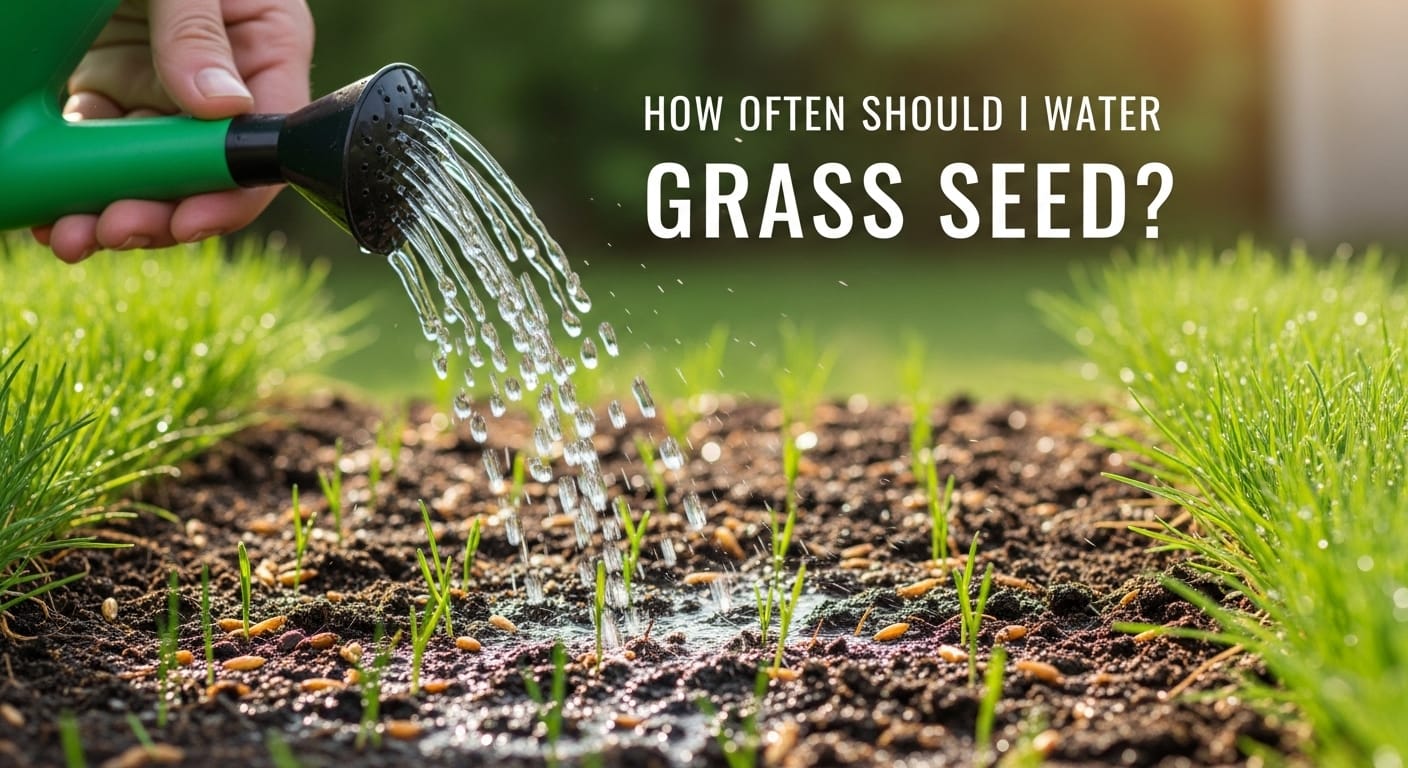
Watering is the most frequent task you will do. It is more than just a quick spray. You need a solid grass seed lawn watering schedule to stay on track. During the first two weeks, the soil should never be dry. This might mean watering three times a day. You want to focus on moisture balance. Too much water can wash the seeds into a pile. Too little water will kill the sprouts.
After seedlings reach 2 inches tall, reduce watering frequency and water more deeply but less often to encourage deeper root growth.
Grass Seed Timeline
Watching the calendar helps you stay calm. It prevents you from worrying if nothing happens on day three. Here is a typical grass seed growth guide:
- Days 1-7: The seeds absorb moisture and the dormancy ends.
- Days 7-14: You see the first sprouting across the yard.
- Days 14-21: The germination window closes for most species.
- Week 4: The blade growth becomes very visible and fast.
- Week 6: The lawn begins to look like a green hazy carpet.
- Week 8: You reach mowing readiness for the first time.
- Week 12: The root depth is strong enough for light walking.
Does Weather Affect Growth Time?
The weather is the boss of your garden. You can do everything right and still have a slow lawn. This is because soil temperature is the main trigger for growth. If the ground is below 10°C, the seeds will just sit there. They are waiting for the spring sun. This is part of the timing considerations. You should not plant when a frost is coming.
How Long Does It Take Grass To Grow
The season dictates the planting window. In the summer, the sun is very hot. This makes moisture evaporate very fast. You have to water constantly to keep up. In the autumn, the air is cooler. This is often the grass seed timing best practices choice. The soil is still warm from the summer months. But the air does not bake the tiny plants.
For example, a turf renovation in the fall usually works best. There is less weed competition in the late year. Most weeds grow fast in the spring. If you plant in May, the weeds might grow faster than your grass. This creates a big competition management problem. You do not want to use weed control chemicals on new sprouts. The chemicals can kill the young grass too. It is better to let the grass get strong first.
Soil health is another weather-related factor. Heavy rain can cause soil compaction. This means the dirt gets squished too tight. Roots cannot grow through hard dirt. You might need aeration before you start. This puts tiny holes in the ground for air and water. You can also mix in some compost to make the dirt fluffy. This gives the nutrients a place to stay. Using a starter fertilizer helps the plants get a fast start. It is like a healthy breakfast for your lawn.
Which Grass Seed Grows the Fastest?
Different species have different speeds. If you are in a rush, you want fast-germinating grasses. Perennial Ryegrass is a total speedster. It often shows germination 5-10 days after planting. This is great for fixing a patch quickly. However, fast grass is not always the most durable.
When people ask how long for grass seed to grow in a tough area, I suggest a mix. You want durable grasses like Fescue. It takes longer but it lasts for years. On the other hand, slow-germinating grasses like Bluegrass are very beautiful. They have a deep color and a soft feel. But you must wait for germination for 14-30 days with those.

Ideas For Tall Grass To Plant Based On Climate
If you have a big field, you might want tall varieties. These don’t need to be mown as often. They look very natural and rustic. Here are some great options for your grass seed planting calendar:
- Tall fescue: Very tough and handles heat well.
- Kentucky bluegrass: The classic choice for a dark green look.
- Bermuda grass: A fast grower that loves the sun.
- Zoysia grass: Creates a very thick and soft mat.
For example, a large commercial areas project usually uses a Fescue blend. It handles the sun and the wind without dying. This is a smart cost-benefit choice. You spend less on water and repair over time.
You should also look at your budget planning. Fast seeds can be cheaper. But they might not survive a hard winter. A high-quality type is a better grass seed return-on-investment. It might cost more today. But it saves you money on lawn maintenance later. Always check the germination rate on the label. A rate of 90% is very good. If it is lower, you are just buying dead dust.
FAQ Section
Growing grass can be confusing. There are many small steps to remember. Here are some of the most common things people ask about their care.
When Can I Mow New Grass?
You need to be patient with the mower. Wait until the grass reaches 3–4 inches before mowing. If you cut it too short, the plant will go into shock. This is a vital part of mowing guidelines. Your first cut should be very light. Only take off the very tips of the blades. This is called the first mow.
Make sure your mower blades are sharp. Dull blades will pull the tiny plants out of the ground. This ruins all your site preparation work. You should also make sure the ground is dry. Mowing wet soil causes ruts. It also squishes the root system. After the first cut, you can follow a regular mow timing schedule. Usually, once a week is plenty for a new lawn.
How Long Does Grass Seed Take to Germinate?
The grass seed germination period is the most stressful part for the owner. You look at the dirt and see nothing. But don’t worry. The germination days count starts from the first time the seed gets wet. For some, it is germination 7-12 days. For others, it is much longer.
If you see no green after a month, check your soil pH. If the soil is too acidic, the seeds cannot grow. You might need to add lime to the dirt. This is part of site selection and prep. Also, check for runoff prevention. Did a big rain wash your seeds into the neighbor’s yard? You can use mulching like straw to keep them in place. This also helps with moisture retention.
Conclusion
Growing a lawn from seed is a process measured in weeks, not days. But the results are worth the wait. While germination usually happens within a few weeks, most lawns reach grass seed mowing readiness around week 6 to 8. From there, continued care strengthens roots and improves overall grass seed lawn health throughout the season.
The key is consistency.
Maintain steady watering, avoid heavy foot traffic early on, and follow basic mowing practices once the grass reaches 3–4 inches tall. Each stage builds on the last. From sprouting to thickening to long-term durability.
If you understand the timeline and support the lawn through its early growth stages, you won’t just grow grass. You’ll establish a healthy & resilient yard that continues to improve over time.
How MPR Landscapes Can Help
We know that growing a healthy lawn takes care and the right tools. We can help make the process easier and guide you through every stage. Our services include:
- Lawn Seeding & Care: We help plant grass seed. We maintain the right watering schedule. We ensure even coverage using a grass seed sprinkler system or rotating sprinkler.
- Mulching & Drainage Solutions: We improve soil moisture balance. We prevent runoff. We help seeds grow strong.
- Fertilization & Weed Control: We support healthy root growth. We reduce competition from weeds.
- Sod Installation & Lawn Renovation: We transform old or patchy lawns. We create established green spaces.
- Irrigation & Grading: We ensure proper water distribution. We level soil for optimal growth.
- Full Landscaping Services: We build flower beds, patios, and retaining walls. We enhance your outdoor spaces.
Whether it is guiding your first mow, ongoing lawn maintenance or a full landscape project, our team will help. We focus on consistent results and help your lawn grow strong & green. This way, you can enjoy your outdoor space with confidence.
