
Introduction
Best Guide Tree Sapping:
Why do trees leak that stubborn, sticky substance at the most inconvenient times? Whether it is dripping onto your clothes, your car, or your hands, sap always seems to show up uninvited. But behind that mess is something far more important.
Understanding tree sapping is not just about cleaning up. It is about knowing how trees function and how they grow. You also get to understand what they are trying to tell you when something looks off. From the role of nutrients to the way temperature affects flow, sap plays a central role in the life of every tree with sap.
This guide by MPR Landscapes explains everything. From removing tree sap off clothes to understanding the difference between sap and so-called droppings from trees this is your complete guide.
| Blog’s Core TakeawaysSap is the tree’s internal fluid that moves water, nutrients, and sugars, making it essential for growth and overall health.Removing sap from pants requires freezing, scraping, applying a solvent, and washing while avoiding heat until the stain is fully gone.Getting sap off skin works best with oils or alcohol-based solutions that break down its sticky texture before washing.DIY cleaning methods are useful for quick fixes, but professional services are more effective for long-term solutions and underlying tree issues.Overall, sap is both a natural process and a potential warning sign, so understanding it helps you manage cleaning while protecting tree health. |
What is Sap in Trees?
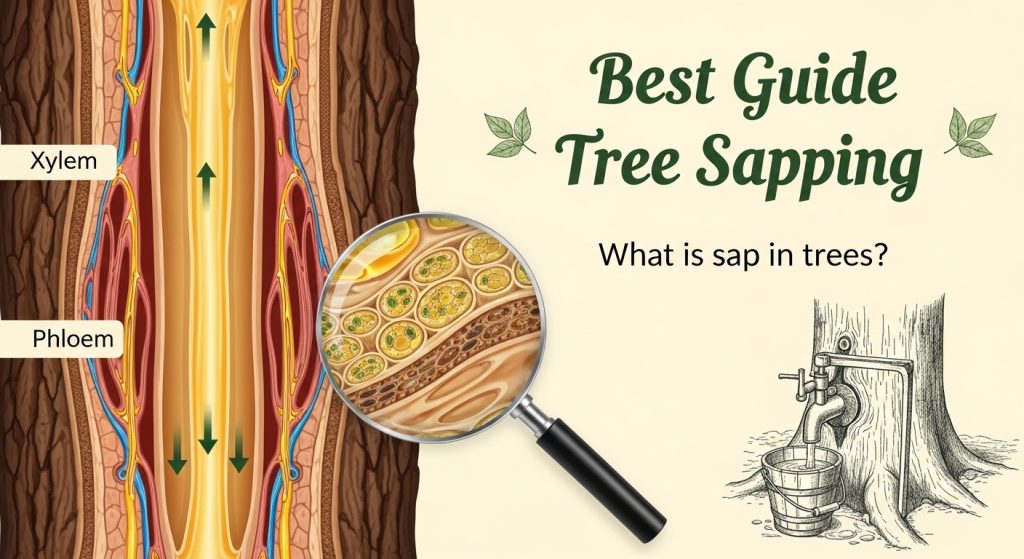
You may be wondering what is tree sap. It is the internal fluid that keeps a tree alive. Think of it as the tree’s circulatory system. This tree vascular fluid carries water, minerals as well as sugars throughout the structure. As a result, this ensures survival and growth.
Understanding sap meaning and composition
The sap meaning goes beyond just a sticky liquid. It includes a mix of water, dissolved minerals, sugars in sap and even sap hormones that regulate growth. This sap composition changes depending on the species, season, and environmental conditions.
The sap characteristics can vary widely. Some sap is thin and watery. Whereas others are thicker with a higher sap viscosity. You may also notice sap colour variations from clear to slightly amber. This depends on the tree type as well as its condition.
The tree vascular system and sap circulation
Inside every tree is a complex tree vascular system responsible for sap circulation. This system is made up of two main parts:
- Xylem sap: Responsible for water transport in trees and mineral transport in trees, moving nutrients upward from the roots. This is the core xylem function.
- Phloem sap: Handles sugar transport in trees, distributing energy created through sap and photosynthesis. This reflects the essential phloem function.
Together, these create efficient sap nutrient pathways that allow proper sap nutrient transport and sap nutrient delivery across the tree.
Why trees produce sap
Ever wondered why trees produce sap? The answer lies in survival. Sap supports sap function in trees, helping with hydration, growth and sap energy storage. It also plays a role in sap and tree growth. It helps ensure new leaves, buds, and flowers can develop.
Sap flow and seasonal patterns
Sap does not move randomly. It follows natural sap flow patterns influenced by sap temperature effect and sap pressure. The cohesion tension sap process helps pull water upward, while temperature changes create pressure differences.
You will notice stronger flow during sap in spring, when sap flow timing aligns with growth. These sap seasonal patterns are especially important in maple sap trees, where maple sap is collected for maple sap syrup production.
Sap vs resin
People often confuse sap vs resin or sap vs pitch, but they are different. Sap is part of nutrient movement. Resin is thicker and part of sap and insect defense, sealing wounds and protecting against damage.
Sap and tree health
Sap is also a signal. Sap leakage from trees can indicate normal activity, but it can also point to issues like sap diseases, sap infection, or tree fungal sap issues.
Watch for:
- Excessive sap oozing or sap exudation
- Strange smells or sap smell changes
- Dark or foamy leaks like tree slime flux
- Conditions like gummosis or bacterial sap oozing
These are common sap disease sign indicators and part of broader sap leakage signs.
Sap and ecosystem role
Sap is not just for trees. It plays a sap ecosystem role, feeding insects and supporting biodiversity. However, this also links to sap and pests, since insects feeding on sap can create problems.
Sap harvesting and uses
Humans have long used sap. Sap harvesting and sap tapping are essential for producing syrup and other sap beverages. In maple tree sapping, it takes around 30–40 gallons of sap to make one gallon of syrup.
Other trees like birch also produce usable sap, and birch sap benefits include hydration and minerals. These uses fall under sap culinary uses and broader sap industry terms.
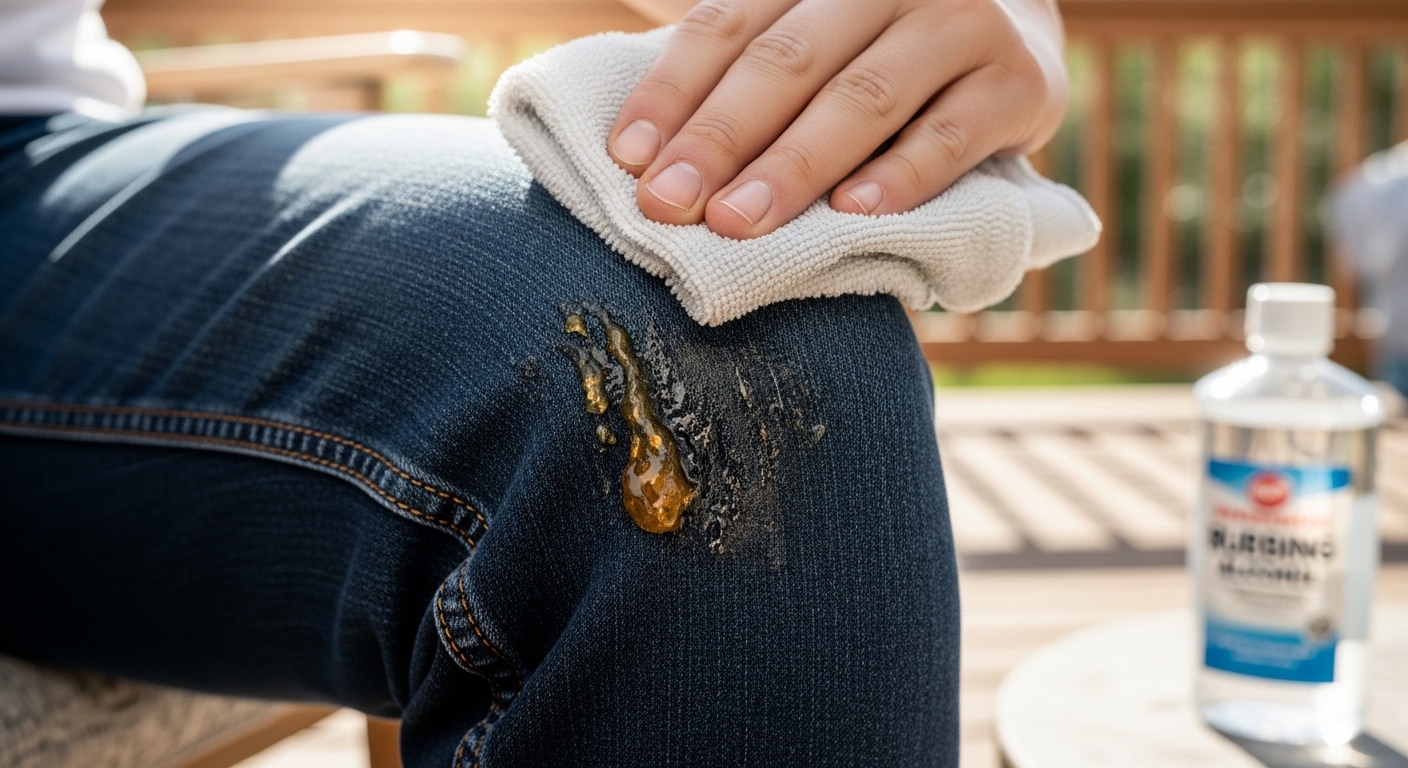
How to Remove Tree Sap from Pants?
Sap on clothing is frustrating. Once it sticks, it spreads easily and becomes harder to remove. The key is to act fast and follow a structured method.
Step 1: Harden and remove sap buildup
Start by freezing the affected area. This reduces sap buildup and makes the sticky tree sap brittle. Once hardened, gently scrape it off using a dull object.
This method prevents the stain from spreading deeper into the fabric.
Step 2: Break down the sap
Next, apply a solvent. This is where a tree sap remover comes in handy. Rubbing alcohol is one of the most effective options because it dissolves the adhesive properties of sap from tree surfaces.
Other alternatives include:
- Hand sanitizer
- Nail polish remover
- Oils like butter or peanut butter
Always test first to avoid fabric damage.
Step 3: Pre-treat the stain
After dissolving the sap, apply liquid detergent. This helps remove any remaining residue and improves overall cleaning. This step is essential when dealing with tree sap off clothes.
Step 4: Wash and inspect
Wash the clothing using the warmest safe setting. Before drying, check carefully. Heat can lock in stains permanently, especially with sap texture residues.
If needed, repeat the process.
How do I get tree sap out of clothing?
The process stays the same across fabrics. But delicate materials require gentler solvents. So avoid aggressive chemicals on silk or wool.
The most effective approach combines freezing, solvent use as well as proper washing. This ensures complete removal without damaging the fabric.
How to Get Tree Sap Off Skin?
Getting sap on your skin is common, especially when dealing with a tree with sap outdoors. Soap alone rarely works because of the sap’s sticky nature.
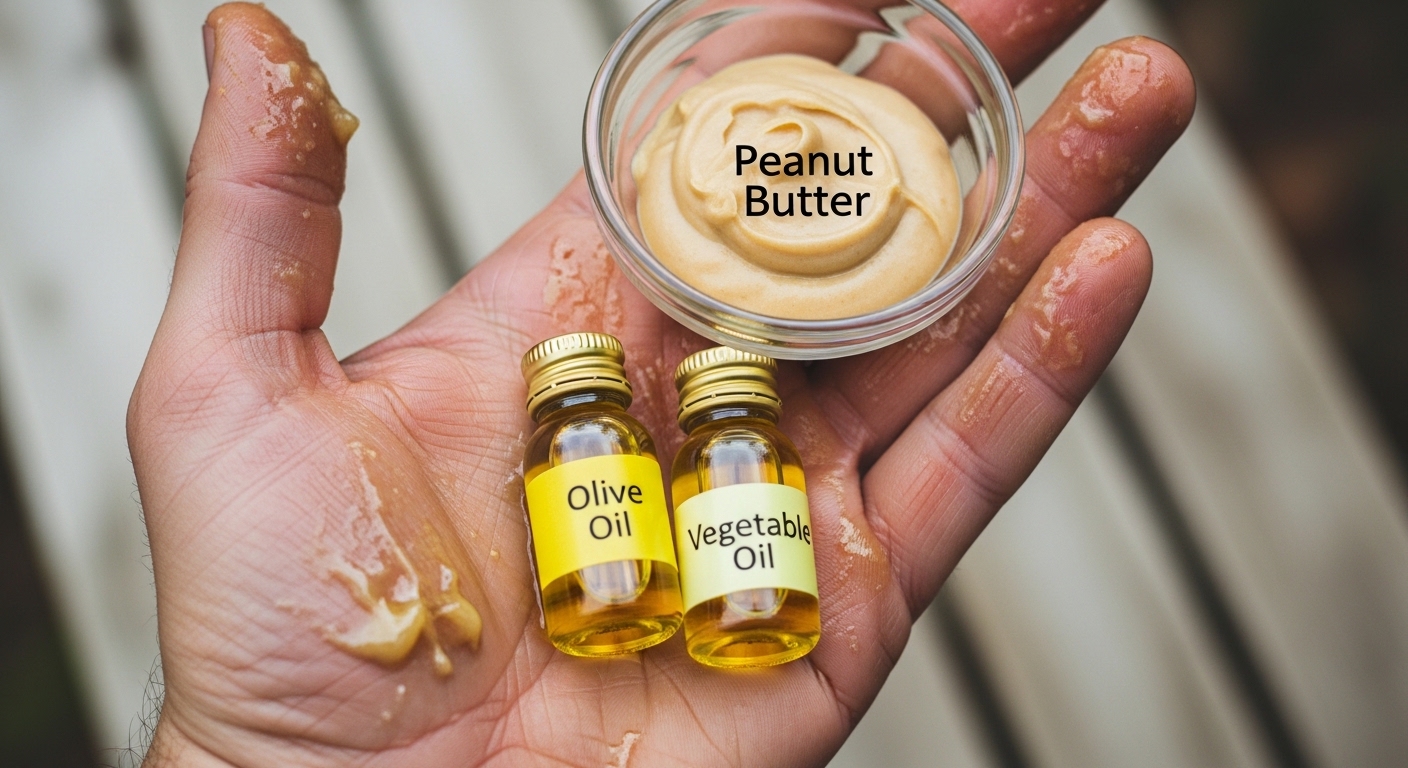
Use oils to dissolve sap
Oils are one of the easiest solutions. They break down the stickiness and make removal simple.
Options include:
- Olive oil
- Vegetable oil
- Peanut butter
Rub the oil into the skin, then wash with soap.
Add an abrasive for better results
Mix oil with sugar or salt. This creates a mild scrub that helps remove stubborn residue without damaging your skin.
Use alcohol-based solutions
Alcohol is effective for fresh sap. Hand sanitizer or rubbing alcohol works quickly, especially for small patches.
Handle tougher cases carefully
For hardened sap, stronger products like WD-40 may work. However, they should be used cautiously and washed off immediately to avoid irritation.
Why sap sticks to skin
The sap texture and high sap sugar concentration create strong adhesion. This is why simple washing does not work and why oils are so effective.
DIY vs. Professional Tree Sap Cleaning: Which Is Better?
When it comes to dealing with tree sap, the right approach depends on what you are actually dealing with. Cleaning sap off a surface is very different from addressing the cause of sap leakage from trees. While DIY methods can handle the mess they often fall short when the issue runs deeper.
DIY Cleaning: Practical but Limited
DIY methods are popular because they are accessible. Using oils, alcohol or a basic tree sap remover, most people can remove sap from clothes, skin or even surfaces like cars without much trouble.
Pros:
- Uses everyday household items
- Quick and convenient for small stains
- Effective for fresh or light sticky tree sap
- Budget-friendly with no specialist costs
Cons:
- Can damage fabrics, paint or skin if used incorrectly
- Less effective on hardened or heavy sap buildup
- Does not address underlying tree issues
- Requires repeated effort for stubborn stains
DIY works best when the problem is surface-level. If you just need to clean car tree sap or remove residue from clothing, these methods are usually enough. But they are only a temporary fix if the sap keeps returning.
Professional Cleaning: Thorough and Preventive
Professional services go beyond simple cleaning. They focus on both removal and diagnosis. Especially when sap is linked to sap diseases, pest activity, or environmental stress.
Experts understand sap flow causes, sap stress response, and signs of internal damage. They can identify whether the issue is normal seasonal sap in a tree behaviour or something more serious like infection or infestation.
Pros:
- Deep & safe cleaning—without surface damage
- Accurate sap diagnosis and long-term solutions
- Identifies issues like sap infection or pest activity
- Helps maintain overall sap and tree health
- Prevents recurring problems through targeted treatment
Cons:
- Higher upfront cost
- May not be necessary for one-time cleaning
- Requires scheduling
Why Professional Help Makes More Sense
While DIY methods solve the visible problem, they do not stop it from coming back. If you notice repeated sap oozing, unusual sap on bark or changes in sap characteristics it is a sign that something is wrong internally.
Professionals can assess sap distribution patterns and collect sap samples. Then they evaluate the overall condition of a tree with sap. This level of insight is not possible with home remedies alone.
In the long run, investing in professional help protects both your property & the tree itself. It shifts the focus from short-term cleaning to long-term prevention which is the smarter choice.
Conclusion
Sap might seem like a small inconvenience. But it tells a much bigger story. From sap in trees supporting growth to visible leaks signaling stress it plays a vital role in every stage of a tree’s life.
Understanding sap biology, flow patterns as well as its removal methods helps you handle both the science & the mess. Whether you are dealing with sap on a tree, cleaning stains or if you are noticing unusual leakage knowing what to look for makes all the difference. In the end, sap is not just something to clean. It is a sign of life. And sometimes, a call for attention.
To keep your landscape looking its best and also avoiding recurring sap problems, working with professionals is a great idea. Sap issues are rarely just surface-level. What seems like a small inconvenience like sap from tree dripping onto your driveway or outdoor furniture, can often point to underlying concerns such as pests, stress, or environmental imbalance.
That’s where our team comes in. Rather than relying on quick fixes we take a more thoughtful and long-term approach. We understand how closely sap and tree health are connected. So we look beyond what’s visible to identify the root of the issue, whether it’s soil quality, drainage problems or insect activity.
Our services are designed to support the health of your landscape. From careful tree pruning to pest management and soil care we focus on practical solutions that help reduce excessive sap leakage from trees over time. Regular maintenance also plays a big role in keeping things balanced. It helps to manage sap circulation and prevent future buildup.
If you’ve been dealing with sap showing up again and again, on your car, patio, or walkways, we aim to make things easier. Instead of constantly cleaning we help create a healthier outdoor space.
Working with MPR Landscapes is about keeping your property in good shape while making sure your trees stay healthy & well cared for year-round.
FAQ Section
Is sap the same as droppings from trees?
No. Sap comes from inside the tree while droppings from trees are usually honeydew produced by insects feeding on sap.
Do ticks drop from trees?
Despite common belief, do ticks drop from trees is mostly a myth. Ticks typically live in grass and low vegetation, not high branches.
What is Maple Tree Sapping?
Maple Tree Sapping refers to collecting sap from maple sap trees to produce syrup. It is a controlled process involving drilling and sap collection during peak flow seasons.
More Services : Meadowvale Party Rentals Or MPR Movers
