
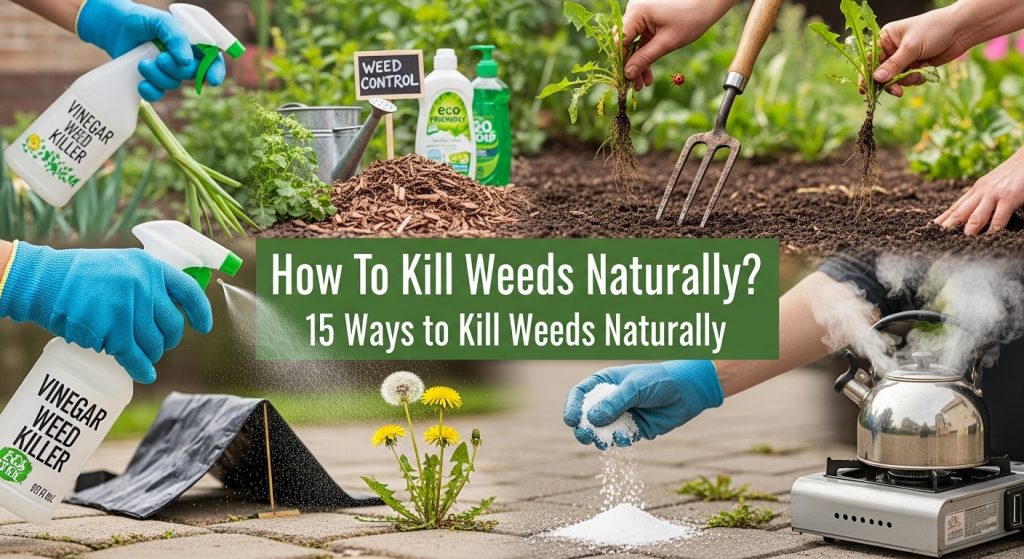
15 Ways to Kill Weeds Naturally
Introduction
Weeds never really wait for permission. They just show up and take over spaces meant for your plants. The good news is that you can control them without harsh chemicals. The answer to how to kill weeds naturally is simple when you combine physical removal, natural sprays and prevention methods that actually last. Most people think they need strong chemicals. But that is not true for long term results. You just need consistency and the right approach.
In this guide by MPR Landscapes, you will learn practical ways that fit everyday gardening. For example, we will explore practical methods like mulching, boiling water treatment, vinegar spray solutions, hand pulling weeds, and even soil blocking techniques like cardboard layering. These simple ideas work together to stop weeds at every stage, from seed to full growth without damaging your soil or surrounding plants.
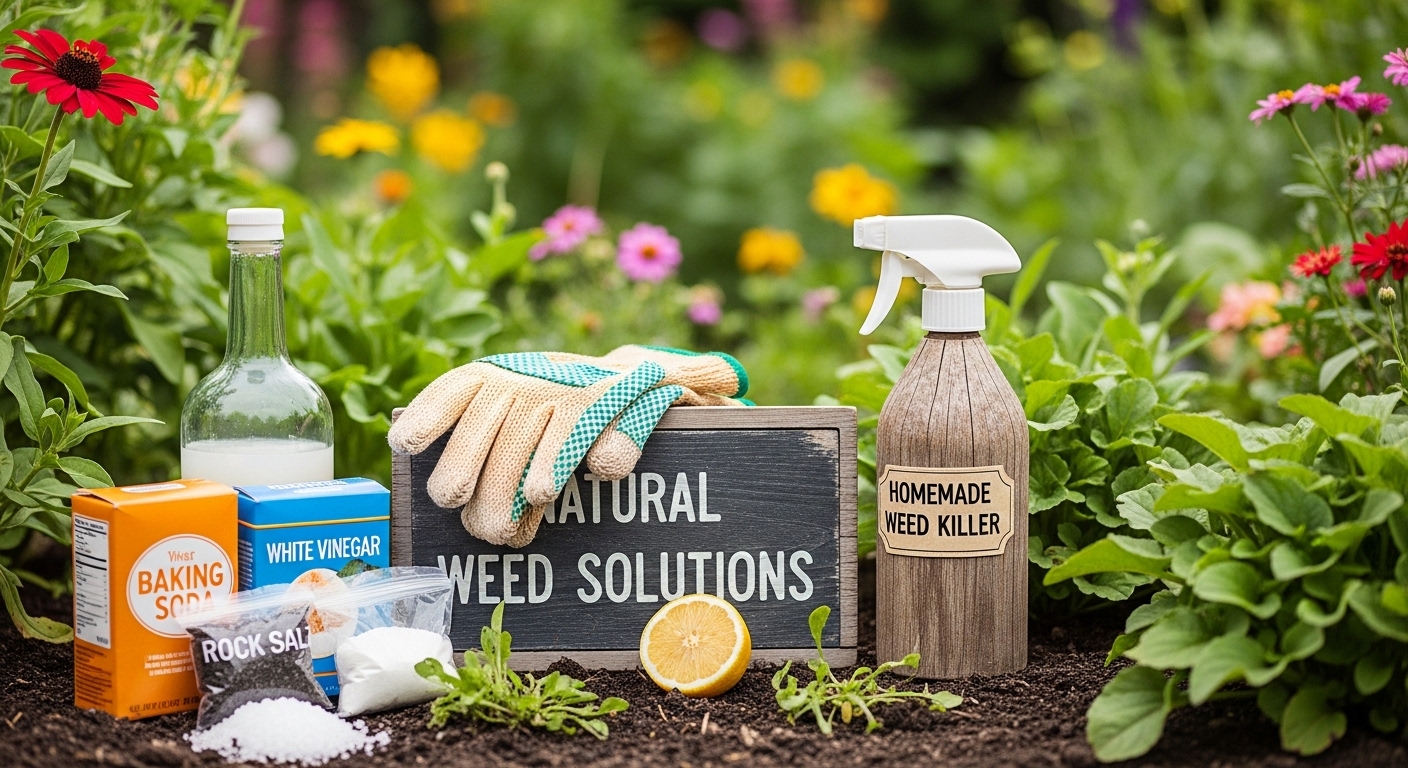
What Kills Weeds Permanently Naturally?
Weeds cannot be removed permanently with a single action because they survive through seeds and deep roots. True control comes from changing soil conditions so weeds cannot return.
A natural weed control system focuses on blocking light, preventing germination as well as strengthening healthy plants. This creates a long-term balance where weeds struggle to survive.
The idea behind a natural way to kill weeds is simple. Instead of attacking weeds repeatedly you prevent them from growing in the first place. This reduces effort over time as well as keeps soil stable.
For example a cardboard weed barrier under mulch creates long-lasting protection. This is part of natural weed prevention where sunlight is blocked completely, stopping weed growth at its source.
This is why the best natural way to kill weeds is always a combination of prevention, soil protection as well as consistent maintenance.
How To Kill Weeds Naturally? | 15 Ways Explained
Natural weed control works best when different techniques are layered together. Each method targets weeds at different growth stages from seed to full plant.
1. Mulching for long-term suppression
Mulching is one of the most reliable ways to block weed growth. It creates a physical layer that stops sunlight from reaching the soil. As a result it prevents germination. This supports organic mulch weed control & improves soil quality over time.
To apply it correctly, spread wood chips, straw, or compost evenly across soil. This is also known as wood chip mulch for weeds, which reduces weed emergence significantly. It slowly becomes part of the soil ecosystem, improving structure while reducing maintenance needs.
2. Vinegar spray treatment
Vinegar works by drying out plant cells through acetic acid. A vinegar weed killer recipe usually combines vinegar, dish soap… and sometimes salt for stronger results. It is a quick solution for visible weeds.
This method creates a vinegar salt dish soap weed killer. It is often used in cracks and driveways. It is part of vinegar weed control where the goal is surface-level destruction. However it may require repeat application for deep-rooted weeds.
3. Boiling water method
Boiling water kills weeds instantly by destroying cell structure on contact. This boiling water weed killer method is extremely simple but very effective for small areas.
It is also part of heat weed control which uses temperature instead of chemicals. To use it safely pour directly on weeds in non-plant areas like sidewalks. This method works best as a natural weed suppression technique for quick removal.
4. Hand pulling weeds
Hand pulling is one of the oldest and most reliable methods of weed control. Manual weed removal works best when soil is wet, allowing roots to come out fully… without breaking.
This method supports backyard weed removal and reduces regrowth when done correctly. It is important to remove the full root system because even small fragments can regrow quickly. It is also part of sustainable garden weed removal. Especially for stubborn weeds.
5. Salt application in non-garden areas
Salt removes moisture from weeds, causing them to dry out and die. This salt to kill weeds method is effective but must be used carefully.
It is considered a non hazardous weed killer when used in areas like gravel paths or driveways. However, it should never be used in garden beds because it can permanently damage soil health and prevent future plant growth.
6. Baking soda treatment
Baking soda changes surface conditions, making it difficult for weeds to survive in cracks or small spaces. It is a simple eco friendly garden maintenance method.
To use it, sprinkle directly on weeds growing in paved areas. This supports natural weed removal for gardens, especially for small infestations. It works best as a maintenance method rather than a full solution.
7. Vinegar and salt combination spray
This mixture creates a strong drying effect that kills weeds quickly. The vinegar salt dish soap weed killer is powerful… but non-selective.
Before using it it is important to understand its strength. It is often used as a non toxic weed killer. But it can damage any plant it touches. Hence, careful application is necessary in garden areas.
8. Flame weeding technique
The flame weeding technique uses controlled fire to burn weeds instantly. It is part of heat weed control and works well in gravel or stone pathways.
To use it safely, pass a flame quickly over weeds without burning surrounding areas. It is effective for organic weed prevention, especially where chemical-free methods are preferred.
9. Corn gluten meal application
Corn gluten meal prevents seeds from sprouting by stopping early root formation. It is a natural pre-emergent weed killer that targets weeds before they grow.
This method supports organic weed prevention and is often used in seasonal lawn care routines. It does not kill existing weeds but helps reduce future growth significantly when applied early.
10. Mulch and cardboard layering
This method uses cardboard under mulch to block sunlight completely. The sheet mulching method is highly effective for long-term suppression.
It creates a cardboard weed barrier, which slowly breaks down while preventing weed growth underneath. This is one of the strongest forms of natural soil protection.
11. Vinegar-based homemade spray
A simple kitchen-based solution can create a strong weed treatment. A kitchen ingredient weed killer like vinegar spray is easy to prepare and apply.
It is widely used in organic gardening tips for quick spot treatment. This method is best for small weeds rather than large infestations because it works only on exposed surfaces.
12. Hydrogen peroxide solution
Hydrogen peroxide kills weeds by breaking down plant tissue and adding oxygen to the soil. It is a non herbicide weed killer that works on surface-level growth.
It is useful for small garden patches where chemical use is not preferred. It also supports cleaner soil conditions when used in moderation.
13. Alcohol-based spray
Alcohol removes the protective coating from weed leaves, causing dehydration and death. This method supports natural weed removal for gardens in small areas.
To apply it correctly, spray directly on leaves without touching surrounding plants. It works quickly but is best used for spot treatments rather than large areas.
- Essential oils treatment
Essential oils like clove & citrus damage weed surfaces and slow regrowth. This supports eco weed prevention methods without harming soil quality.
It is a gentle but effective method for maintaining gardens naturally. It works best when combined with other weed control techniques for better results.
15. Dense planting strategy
Dense planting reduces empty soil where weeds usually grow. This ground cover plants for weed control method blocks sunlight naturally.
It is part of natural plant care methods where plants compete directly with weeds. Over time this reduces weed growth significantly & improves garden stability.

How To Get Rid Of Weeds, Without Killing Grass, Naturally?
Lawns require balance between weed removal and grass health. The goal is to remove weeds without damaging turf or weakening soil structure.
Mow at the right height
Keeping grass taller shades the soil and reduces weed growth. This supports green lawn care and improves natural lawn care tips. Taller grass naturally blocks sunlight, making it harder for weeds to grow.
Deep watering system
Deep watering strengthens grass roots and reduces weed competition. This supports chemical free lawn care by improving soil structure. Healthy roots naturally crowd out weeds over time.
Corn gluten prevention
Corn gluten acts as organic lawn pre-emergent, preventing weed seeds from sprouting. It is a natural method that supports seasonal lawn protection.
Spot treatment carefully
Targeted treatment ensures weeds are removed without harming grass. A careful weed killer for lawn approach protects surrounding plants while removing unwanted growth.
Strengthen lawn density
Thick lawns naturally block weeds by reducing open space. This creates an organic lawn weed killer effect where grass competes directly with weeds.
Conclusion
Weeds are not just random garden problems, they are signals of exposed and unbalanced soil. The most effective solution is not one method but a system of prevention, removal, and long-term care.
When you combine mulching, manual removal, soil protection, and dense planting, weeds gradually lose their ability to return. Over time your garden becomes more stable, healthier & easier to maintain.
Natural weed control is not about speed. It is about building a garden that manages itself with less effort and more balance every season.
At MPR Landscapes, we help create and maintain outdoor spaces that stay clean, healthy, and visually strong all year round. Our work focuses on practical lawn care, precise weed management and full landscape design tailored to each property. From regular maintenance like mowing, edging and weed control to complete garden transformations we handle every detail with care and consistency. We focus on long-term results, healthy soil and structured outdoor spaces that stay beautiful beyond just one season. So feel free to contact us.
FAQ Section
What is the most effective natural weed solution?
The most effective method combines multiple techniques like mulching, hand removal, and prevention. The best natural weed killer approach focuses on long-term soil control… rather than instant results.
Is vinegar safe for all garden areas?
Vinegar acts as a natural weed and grass killer, so it should only be used in areas where plant damage is acceptable, such as driveways or cracks.
Can weeds be fully eliminated naturally?
Yes. But only through consistent organic weed killer methods combined with prevention, soil care as well as proper garden maintenance.
How to kill weed in lawn naturally?
The best natural way is to keep grass thick and healthy. This way, weeds cannot compete. Mow higher, water deeply and pull weeds by hand when soil is soft. You can also use corn gluten to stop new weeds. Apply vinegar only on weed spots to avoid harming the grass.
How to naturally kill grass and weeds?
To remove both grass and weeds naturally, block sunlight using cardboard or thick mulch until plants die off. You can also pour boiling water or use vinegar spray for faster results. These methods dry out and smother all growth without chemicals. This makes them useful for clearing land before replanting or landscaping.
More Services : Meadowvale Party Rentals Or MPR Movers
