

Introduction
Mow Your Lawn Guide
There is something pretty special about walking out to a manicured lawn. The lines are crisp. The grass feels soft underfoot. It makes the whole yard look like it has its life together. Even if the rest of us are still figuring that part out.
Naturally, every homeowner eventually asks the same thing. How often should you mow? You don’t want it to become a full-time job. During the growing season, once a week is the sweet spot. You might step it up to every five days during that peak spring growth. You can back off to every ten days when the summer heat slows things down.
It is all about finding a rhythm. Follow the lead of the grass. If you cut too often, the lawn feels pressured. If you wait too long, it starts to look wild. Once you find that balance, you get a yard that is thick and healthy. It gives you that manicured lawn look. It makes you want to linger at the curb for a second longer.
This blog by MPR Landscapes will shed more light on lawn mowing frequency.
How Often Should You Mow Your Lawn?
So, how often should the lawn be mowed? It depends on the growth rate of your lawn’s grass. Grass does not grow at the same speed every day. Sometimes, it grows fast. Other times it grows slow. Hence, it is best to follow the one-third rule. Never remove more than one-third of the grass blade at once. If your grass is three inches tall, do not cut more than one inch off. This prevents tearing grass and keeps the roots strong.
A mowing interval of 7-10 days is good enough. This works well for a well-maintained lawn during the peak growing season. But you must watch the weather. Rain makes grass grow faster. Dry spells make it stop growing. You have to be flexible with your grass cutting schedule. If you miss a week, the grass might get too tall. Then you have to raise the mower blade height to avoid shocking the plants.
Lawn mowing is a balance between art and science. You want a healthy lawn that feels soft under your feet. If you cut it too short, the sun hits the soil directly. This leads to soil exposure which helps weeds grow. Keeping a steady lawn maintenance schedule ensures the grass stays thick. Thick grass shades the soil. This keeps the ground cool and moist.
How Often Should I Mow My Lawn During Summer?
Summer is a tough time for your yard. The heat can cause a lot of heat stress. During this time, your summer mowing frequency should decrease. When the temperature rises, grass growth slows down. It is trying to save energy. If you keep cutting it short, you might see brown grass. This is a sign of lawn stress.
You should adjust your mowing frequency adjustment to every ten days or even every two weeks. It depends on the heat.
Is It Safe To Cut Grass Now?
Hot weather changes how you should mow. Before cutting, take a quick look at your lawn.
- Check for wilting or curled blades. That’s a sign the grass is stressed.
- Don’t mow dry, brittle turf. Let it recover first.
- Keep grass taller in summer. About 3–4 inches is ideal.
- Look for yellow or patchy areas. Mowing can make damage worse.
- Avoid the hottest part of the day. Early morning is better.
- Make sure it’s getting enough water.
Cutting grass too short in high heat can cause yellowing because the plant can’t produce enough energy. While super-short turf might look neat — like a golf course — those lawns use specialized grass types and heavy maintenance. For most home lawns, a little extra height makes all the difference in getting through summer without damage.
When Should You Stop Mowing Your Lawn Before Winter?
As the air gets chilly, the grass growth speed drops. This usually happens in late autumn. You should keep mowing as long as the grass is growing. Once the ground freezes, you must stop. Mowing frozen grass causes damaged grass repair needs in the spring. It breaks the frozen blades and kills the crown of the plant.
For your final cuts, you can lower the mower blade setting slightly. This prevents the grass from matting down under snow. If the grass is too long in winter, it can get lawn diseases like snow mold. Your seasonal mowing habits should change as the frost arrives. Generally, once the daily highs stay below 10 degrees Celsius, the growth stops.
- Monitor the seasonal grass growth patterns closely.
- Clean your mower before the final winter storage.
- Keep the grass at about 2.5 inches for the last cut.
- Remove all fallen leaves before you mow.
- Watch the local forecast for the first hard frost.
In Canada lawn care, the timing is very specific. The transition from fall to winter can be fast. You want to make sure the lawn is tidy but not scalped. A clean yard in winter means a faster grass recovery in the spring. This sets the stage for a beautiful outdoor space enjoyment when the weather warms up again.
How Late Can You Mow Your Lawn?
People often ask about the specific time of day for mowing their lawn. Especially if they are beginners at it. There are many thoughts that cloud their minds. Can you mow at night? Can you mow at dawn? So, to sum it up, the best lawn mowing timing is mid-morning. By this time, the dew has dried. Wet grass clumps together. It clogs the mower. It also leads to an uneven cut. If you mow too late in the evening, the grass stays damp all night. This invites lawn pests and fungus.
Should I Mow My Lawn Today?
If it is 9:00 PM, the answer is no. Your neighbors will not like the noise. Also, the grass needs time to heal before the sun goes down.
A fresh cut is like a small wound. It needs light and air to seal up. Mowing in the dark makes it hard to see lawn discoloration or hidden objects.
| Time of Day | Mowing Status | Reason |
| Early Morning | Avoid | Grass is wet with dew |
| Mid-Morning | Best | Grass is dry and sun is low |
| Afternoon | Good | But watch for heat stress |
| Late Evening | Avoid | Dampness causes disease |
If you live in Canada, you know the humidity can be high. This means the dew stays late. Waiting until 10:00 AM is usually a safe bet. This ensures a clean cut every time. It also protects the landscaping value of your home. A neat yard looks much better when the lines are straight and the grass is dry.
What Is The Best Way To Mow Your Lawn?
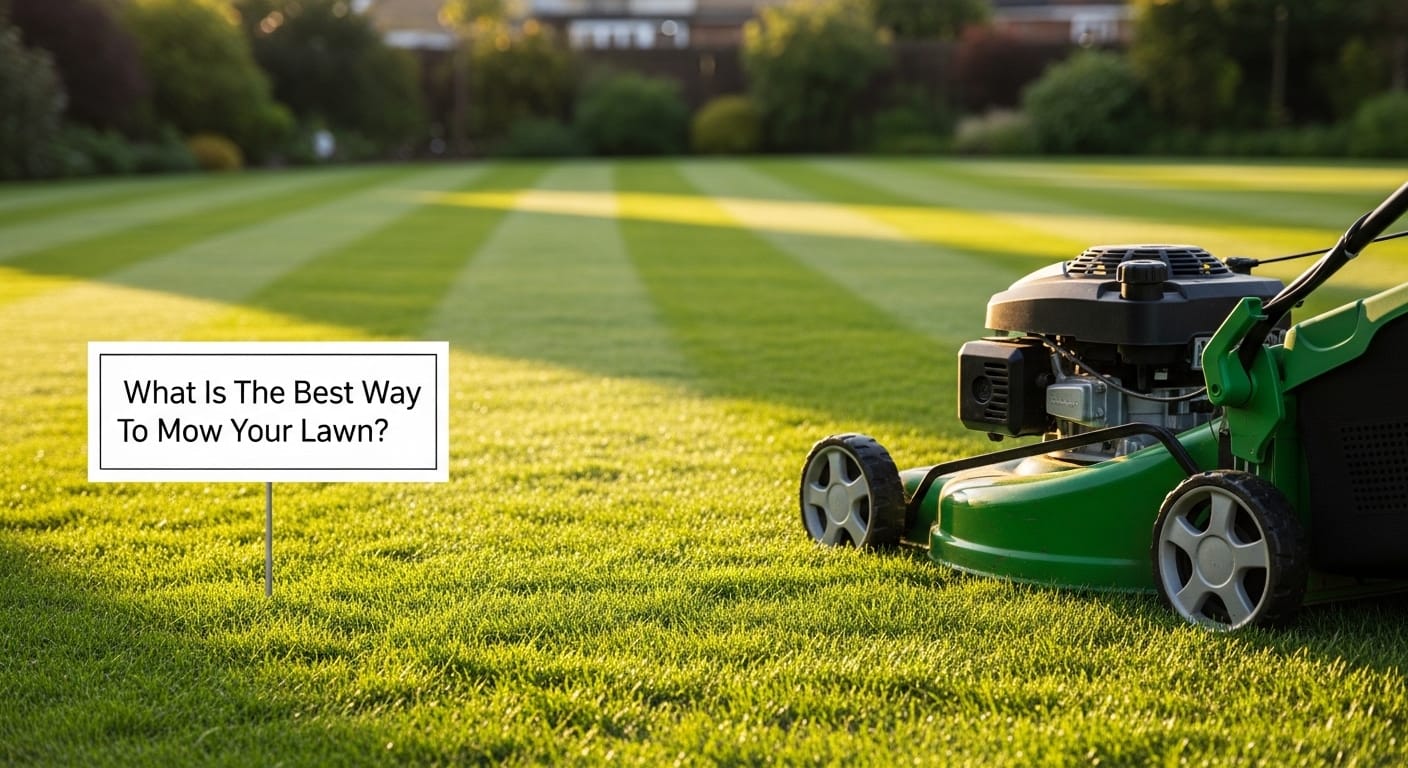
The “how” is just as important as the “when.” To get a putting green lawn, you need the right technique. Most people just push the mower around but there is a better way. You should change your pattern every time. If you always mow north to south, the grass will lean that way. Changing to east to west keeps the blades standing tall.
A sharp mower blade is your best friend. Dull blades do not cut. They tear. This results in pale grass tips that turn brown. It makes the whole yard look dusty. You should perform a mower tune-up at least once a year. This includes blade sharpening and oil changes. A well-maintained machine makes the job easier and faster.
Steps for Effective Mowing
Step 1: Inspect the Yard
Before you start the engine, walk around. Pick up sticks, stones, or toys. These things can fly out and hurt someone. They also dull your mower blade quickly. Look for any areas of brown grass that might need a lighter touch.
Step 2: Check the Equipment
Ensure you have enough fuel. Check the oil level. Most importantly, look at the mower blade sharpness. If the edges look jagged, it is time to sharpen them. A clean cut helps the grass stay healthy and green.
Step 3: Set the Height
Adjust the mower blade height according to the season. In spring, you can go a bit shorter. In summer, go higher to protect against heat stress. Never skip this step because one height does not fit all seasons.
Step 4: Choose Your Path
Pick a direction that is different from last time. This prevents ruts in the soil. It also ensures every blade gets cut evenly. Avoid making sharp turns that can rip the sod.
Step 5: Mow at a Steady Pace
Do not rush. Walking too fast leaves patches of uncut grass. Listen to the engine. If it sounds like it is struggling, slow down. This is common in thick cool-season grasses.
Step 6: Handle the Clippings
If the clippings are short, leave them. They act as a natural lawn fertilization. They return nutrients to the soil. If they are long and clumpy, rake them up. Large clumps can cause grass discoloration by blocking the sun.
Step 7: Post-Mow Cleanup
Blow the clippings off the sidewalk and driveway. This keeps the yard appearance sharp. Check your mower for any grass buildup under the deck. Cleaning it now would help you in saving a lot of time later on.

What is the Ideal Lawn Mowing Schedule?
An ideal grass height is hard to maintain without a plan. You need a lawn care schedule that adapts to the environment. In the spring, the spring mowing frequency might be every five days. This is when the grass is waking up. It has plenty of water and mild sun. This is the best time for weeds prevention because thick grass stops weed germination.
As we move into summer, the mowing schedule shifts. You might only mow once every ten days. Is it worth it to follow a strict calendar? Not really. It is better to follow the grass. If it grows two inches, it is time to cut. This is called a lawn assessment. You look at the yard and decide.
For residents in Canada, the soil is often rich. This means the grass growth rate is high. You might need to be more active than someone in a dry climate. Regular lawn mowing prevents the grass from becoming a habitat for pests. It also improves the property value of your entire neighborhood.
- Spring: Mow every 5-7 days.
- Summer: Mow every 7-14 days.
- Fall: Mow every 6-9 days.
- Winter: Stop mowing completely.
- Always check the rainfall impact on grass.
- Adjust for deep watering sessions.
- Watch for pale grass indicating a need for food.
Have you ever wondered why some lawns look like velvet? It is the consistency. They never skip a week when the grass is peaking. They also never cut it when the grass is thirsty. This balance creates a well-maintained lawn that stands out. Proper lawn care guidelines suggest that a little bit of work often is better than a lot of work once a month.
The weather in Canada changes fast. One week it is raining. The next week it is a heatwave. You must be ready to change your grass cutting frequency. This flexibility is what keeps the healthy grass color vibrant all year long.
Final Thoughts
Taking care of your yard is a rewarding task. It requires patience and the right knowledge. We have discussed how often to mow the lawn to keep it looking its best. Generally, you should mow once every seven days during the peak growing months. Remember the importance of the mowing schedule and how it changes with the weather.
Using a sharp mower blade makes a huge difference in the health of your plants. It prevents tearing grass and keeps the color deep and green. Whether you are dealing with summer mowing frequency or preparing for winter, your attention to detail matters. A manicured lawn is about creating a space for family time outdoors. It adds to your landscaping value & makes your home a better place to live.
If you feel overwhelmed, remember that professional lawn care is always an option. At MPR Landscapes, we can help you maintain a perfect yard. And that too, without the stress. Follow our blog for excellent lawn care tips & you will see a great change in your yard’s appearance! Enjoy the process of growing a beautiful, green carpet for your home.
FAQ Section
Can You Mow Your Lawn Too Often?
Yes. It is possible. Mowing your lawn too frequently can weaken your grass plants. They need blades to produce food. Constant cutting drains energy, causes yellowing, & exposes soil to invasive weeds.
What Happens If You Don’t Mow Your Lawn Regularly?
Neglected grass grows tall & attracts pests. When you finally cut long stalks, it shocks the roots. This leads to thin patches, disease, & a significant drop in curb appeal.
How Do I Know When My Lawn Needs Mowing?
Use the one-third rule.
If your grass exceeds its target height by fifty percent, it is time. Shaggy edges or emerging seed heads also signal that a trim is necessary.
