
Introduction
Best Guide Soil Examination
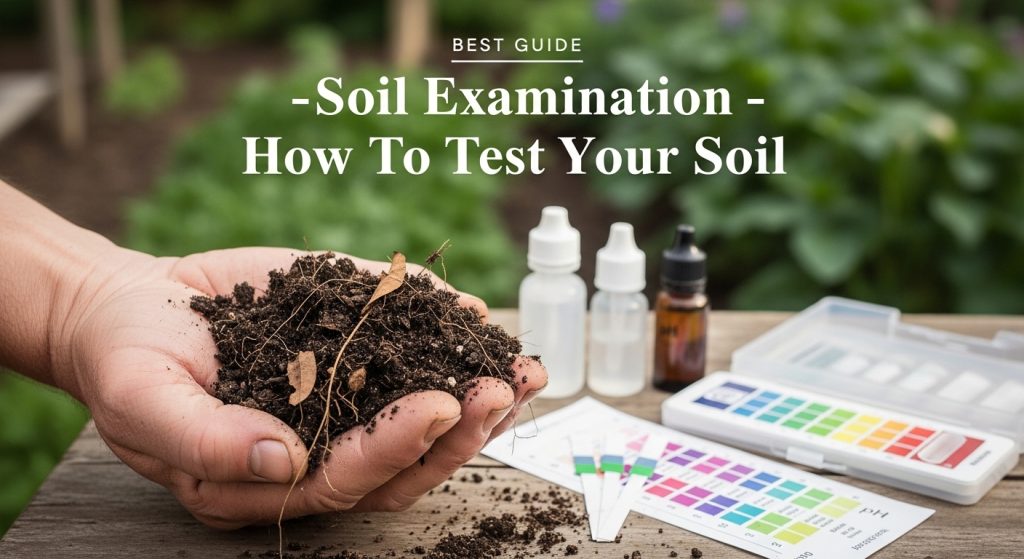
Understanding land is not just farming knowledge. It is the foundation of healthy food, stable ecosystems as well as long-term land use decisions. Soil testing is the first real step before anything grows or any structure is built. Testing your soil is quite easy if you know what to do. You test soil by collecting representative samples, analyzing pH levels and applying either home or professional testing methods.
When you begin with soil analysis, you start understanding how soil behaves in terms of nutrients, structure and also moisture. Many people ignore testing soils but this leads to poor plant growth and weak soil performance. Whether it is soil exam, soil analysis, or soil testing, the process always begins with proper sampling & accurate measurement. In this blog by MPR Landscapes, we’re going to shed more light on the process.
Understanding Different Soil Types
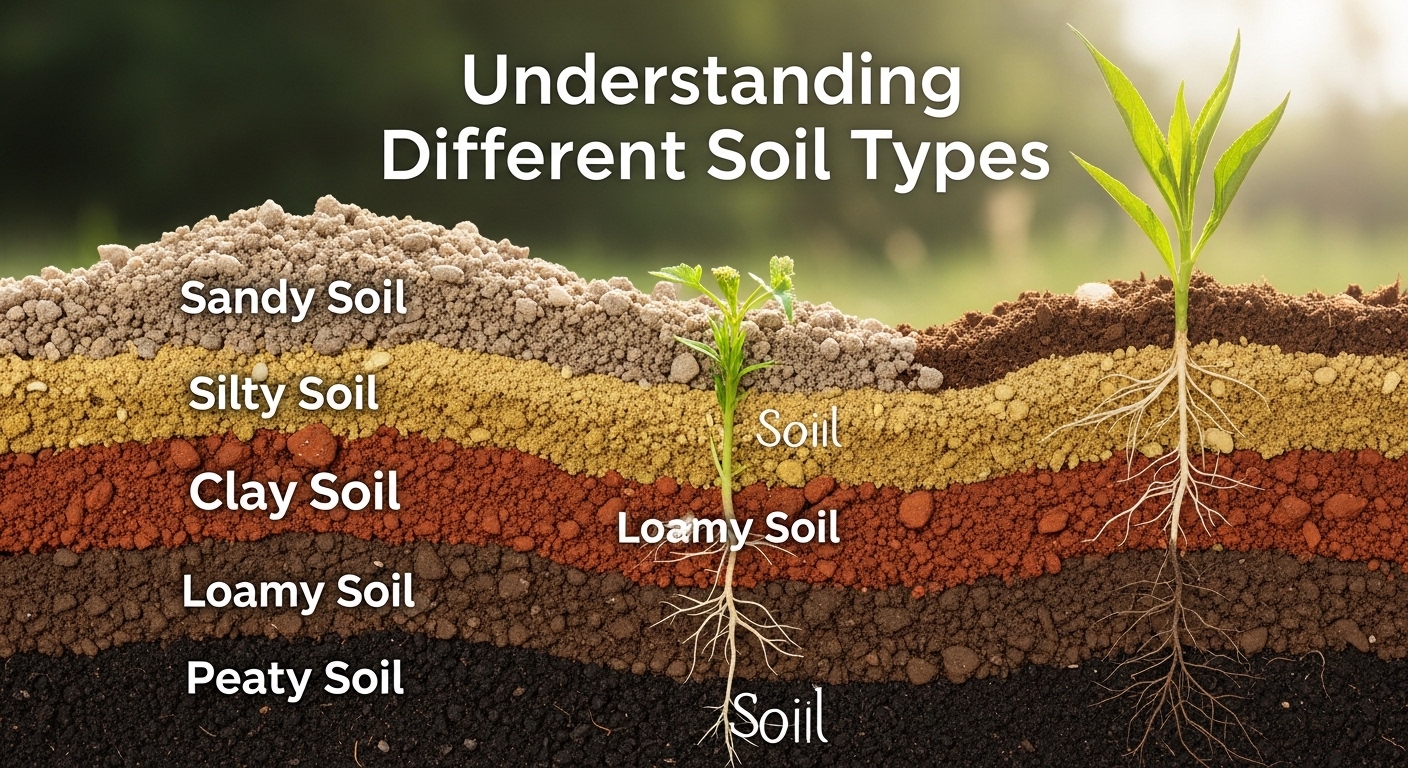
Soil is a mix of minerals, organic matter, air and water as well. Understanding your soil composition analysis helps you figure out how water moves, how nutrients are stored and also how the plants will respond. This is an essential part of basic soil analysis for gardening & long-term soil care.
Sandy Soil
Sandy soil has a gritty texture and is a major focus in soil texture test observations. It drains water very quickly due to large particles. While this prevents waterlogging, it also reduces nutrient retention. This means plants may need more frequent feeding and watering to maintain stable growth.
Clay Soil
Clay soil is dense and sticky. It is often identified during soil structure analysis. It holds water for long periods because of tightly packed particles. This improves nutrient retention. But it can also limit airflow and root movement if the soil becomes too compact or poorly managed.
Silty Soil
Silty soil is smooth and soft, often assessed in basic soil particle test evaluations. It retains moisture better than sandy soil while draining more effectively than clay. However it can become compact over time. As a result, it reduces aeration if not properly maintained.
Loamy Soil
Loamy soil is a balanced mix of sand, silt and clay and is considered ideal in soil fertility testing. It supports good drainage… while still holding nutrients and moisture, making it the most stable option for healthy plant growth as well as long-term soil performance.
How to Test Soil pH (Complete Methods Explained)
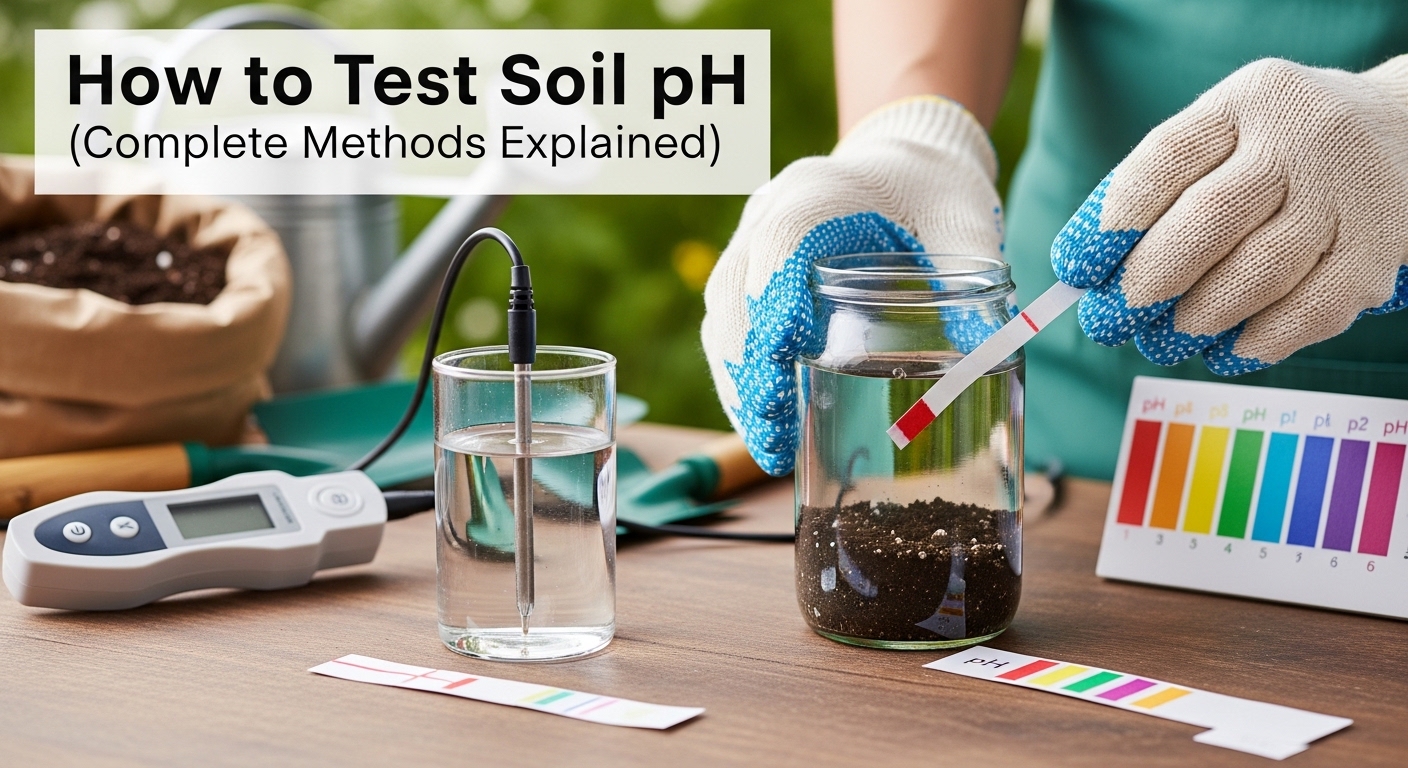
Soil pH is one of the most important indicators of soil health. Why? Because it directly controls how nutrients are absorbed by plants.
Even nutrient-rich soil becomes ineffective… if pH levels are not balanced. That is why soil pH testing is essential in both gardening & agriculture.
Step-by-step process for Soil Testing in Ontario
Step 1: Collect soil samples from multiple areas
Begin by collecting soil from at least 10 to 15 different points across your garden, lawn or field. This step is important. Because soil conditions can change even within small distances. This happens due to water flow, sunlight exposure or plant activity. By sampling multiple spots at the same depth, usually 4 to 8 inches, you ensure the final result reflects the overall soil condition instead of one isolated area.
Step 2: Prepare and mix the soil sample
After collecting samples place them in a clean container and remove debris like roots, stones as well as dry leaves. Then mix everything thoroughly until the soil becomes uniform in texture and color. This step is necessary because uneven soil can distort results and give misleading pH readings. Proper mixing ensures every part of the soil contributes equally to the final test outcome.
Step 3: Dry the soil properly
Spread the mixed soil on clean paper or cloth. Allow it to air dry naturally. Drying removes excess moisture that could interfere with chemical reactions during testing.
Wet soil often produces unstable or inconsistent readings. So this step ensures the sample becomes stable & reliable before moving to the next stage of testing.
Step 4: Create a soil slurry for testing
Mix equal parts soil and distilled water in a clean container to create a slurry. Stir it well. This way the soil particles are evenly distributed in water. Then let it rest for 10 to 15 minutes. This resting period allows heavier particles to settle & creates a stable environment needed for accurate soil pH measurement.
Step 5: Measure the pH level
Insert a digital tester or use a soil pH testing kit into the slurry. And wait until the reading stabilizes. Avoid taking instant readings because they can fluctuate. Once stable, record the value carefully. This number helps determine whether your soil is acidic, neutral or alkaline and forms the base for soil amendment planning.
How to Test Soil Acidity and Alkalinity
Soil acidity and alkalinity testing focuses on understanding how soil reacts rather than measuring exact values. This method is commonly used in soil testing methods where quick classification is needed to guide early decisions about soil management practices and improve overall soil condition. If you are asking yourself, “how do you test pH levels in soil?” you’ve come to the right place. Here are the steps you need to take.
Step 1: Select two separate soil portions for testing
Instead of combining everything, divide your collected soil into two equal portions. This approach supports better observation and aligns with soil sampling tools usage. Keeping samples separate allows you to test reactions individually, which improves clarity when performing basic soil quality test procedures.
Step 2: Place soil into clean containers
Transfer each soil portion into separate, clean containers. Using a proper soil sample container ensures no contamination interferes with the results. Clean containers are essential because even small impurities can affect reactions, especially when conducting simple home soil analysis methods.
Step 3: Test for alkalinity using vinegar
Add vinegar to the first soil sample and observe the reaction. If fizzing occurs, the soil is alkaline. This is a basic form of soil alkalinity test and falls under simple alkaline soil testing techniques. The bubbling happens because alkaline compounds react with acid. As a result, it releases carbon dioxide.
Step 4: Test for acidity using baking soda
Moisten the second soil sample slightly and add baking soda. If the mixture fizzes, it indicates acidity. This step is commonly used in acidic soil testing and supports early-stage soil health check for gardens where quick decisions are needed without complex tools.
Step 5: Compare both reactions to classify soil type
Observe both samples and compare results carefully. This comparison-based method is part of basic soil composition check and helps in early soil condition assessment. If only one reacts you identify the soil type. If neither reacts, the soil is likely balanced which is ideal for maintaining soil health for gardening.
Do It Yourself Soil Test: What Is It and How Effective Is It?
A Do It Yourself soil test is a simple method used at home to understand basic soil conditions… without professional equipment. It typically uses household materials or basic kits to identify soil texture, pH range and general soil behavior. It is widely used for quick soil analysis in Ontario’s gardening & lawn care because it does not require technical expertise or lab access.
The effectiveness of DIY soil testing depends on the purpose. It is useful for identifying general conditions. It helps gardeners make quick decisions about plant care and soil adjustments. However it does not provide precise nutrient data or deep chemical analysis. For detailed understanding soil laboratory testing is still required.
Overall, DIY soil tests are effective as a starting point for understanding soil health and monitoring changes over time. They work best as a preliminary tool before advanced soil analysis or professional testing is carried out.
How to Test Soil pH at Home?
Home soil testing is a practical method for quick soil evaluation… but without professional equipment. It is commonly used in gardens and small lawns where immediate understanding of soil condition is needed.
Step-by-step process
Step 1: Choose a testing method
Select between test strips, digital meters or a soil check kit. Each method offers different accuracy levels. Digital testers are more precise, while strips are simpler and more affordable. Choosing the right method depends on how detailed your results need to be.
Step 2: Collect and prepare soil sample
Collect soil from multiple areas using a clean tool and mix it thoroughly in a container. Remove debris and ensure uniformity. Proper preparation ensures that no single soil patch influences the result. This improves reliability in soil sample preparation.
Step 3: Mix soil with distilled water
Add equal parts soil and distilled water and stir until a slurry forms. Allow the mixture to settle so particles stabilize. This step ensures that the testing environment is consistent and suitable for accurate readings.
Step 4: Perform the test
Insert a strip or probe into the mixture and wait until the reading stabilizes. This step should not be rushed because early readings can fluctuate & give incorrect results. Stability is important for accurate soil pH measurement.
Step 5: Record and compare results
Note the final reading and compare it with standard pH ranges. This helps determine soil condition & whether improvements are needed. Keeping records also helps track soil changes over time for better soil health testing.
Conclusion
Soil testing is the foundation of healthy gardening, farming as well as construction. It helps you understand soil conditions instead of guessing what the land needs. Whether you are performing soil testing, checking soil sample preparation, or measuring pH levels, each step gives valuable insight into soil behavior.
From home methods to professional soil laboratory testing, every approach has a purpose depending on needs. Regular testing improves soil health for gardening, enhances lawn performance, and supports safe construction decisions.
Once you understand how to test soil you gain control over plant growth, nutrient balance and land quality. With consistent testing, soil becomes something you understand and manage. Not something you simply depend on.
If you want a more precise and professional approach to soil testing, expert guidance can make a real difference. For advanced soil analysis, lawn improvement, and landscaping solutions, you can consider reaching out to MPR Landscapes for tailored support. Proper expert help ensures your soil decisions are more accurate and long-lasting.
Answering Common Questions
- How often should I do soil testing for my garden or lawn?
You should test your soil every 1 to 2 years under normal conditions. If you are actively growing crops or maintaining a lawn, yearly testing helps track changes in nutrients and pH more effectively.
- What is the most accurate method of soil testing?
The most accurate method is professional soil laboratory testing. It provides detailed and precise data about pH, nutrients & soil structure that home methods cannot fully measure.
- Can home soil testing kits be trusted?
Home kits are useful for basic understanding of soil condition. They can show if soil is generally acidic or alkaline. But they are not highly precise for exact nutrient or chemical readings.
- Why is soil pH so important for plant growth?
Soil pH controls how easily plants absorb nutrients from the soil. Even healthy soil becomes ineffective if the pH is too high or too low. It affects overall plant growth.
- What is the difference between DIY soil tests and professional testing?
DIY tests give basic results using simple methods. Whereas professional testing provides detailed scientific analysis. Labs are more accurate and used for serious gardening, farming or construction decisions.
- When is the best time to test soil?
The best time to test soil is early spring or early fall when conditions are stable. Avoid testing right after adding fertilizers or compost, as it can temporarily change results.
- What is Soil Test in Construction?
A soil test in construction is a technical process. It is used to analyze the strength, stability as well as load-bearing capacity of soil… before building begins. It ensures the ground can safely support structures. And it helps engineers design safe foundations.
