
Introduction
Cultivated Soil And Till Soil
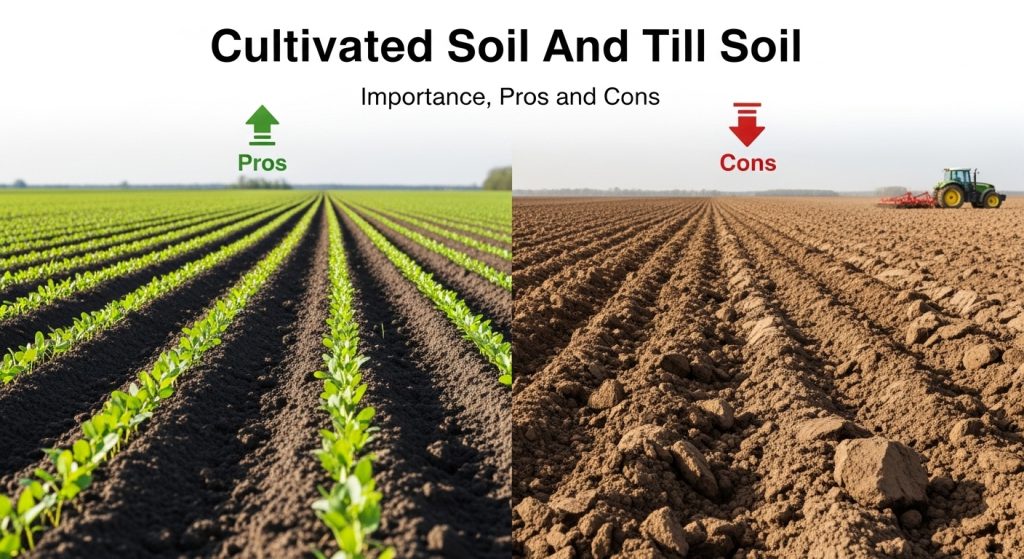
Gardeners often explore cultivated soil and till soil to boost their harvest success. These methods shape how plants grow strong roots and thrive season after season. You discover their unique roles in the cultivation of soil plus tilling the soil. Both practices offer clear benefits yet carry risks too. This blog by MPR Landscapes guides you through their importance, pros and cons, differences, and the right way to use each method so your soil stays healthy.
Core Takeaways
- Tilling is deep soil turning. It is used to break compacted ground, improve aeration, and prepare new garden beds. But it can damage soil structure as well as beneficial microbes if overdone.
- Cultivated soil is lightly loosened near the surface (typically a few inches deep). It is done in order to improve water, air and nutrient flow. The purpose is to make it easier for roots to grow and seeds to sprout.
- The difference: tilling is deep and aggressive for initial preparation. Whereas cultivation is shallow and gentle for ongoing maintenance like weed control.
- Best practice: till only when necessary for new beds, and rely more on light cultivation to maintain soil health, moisture, and structure over time.
What Is Tilling?
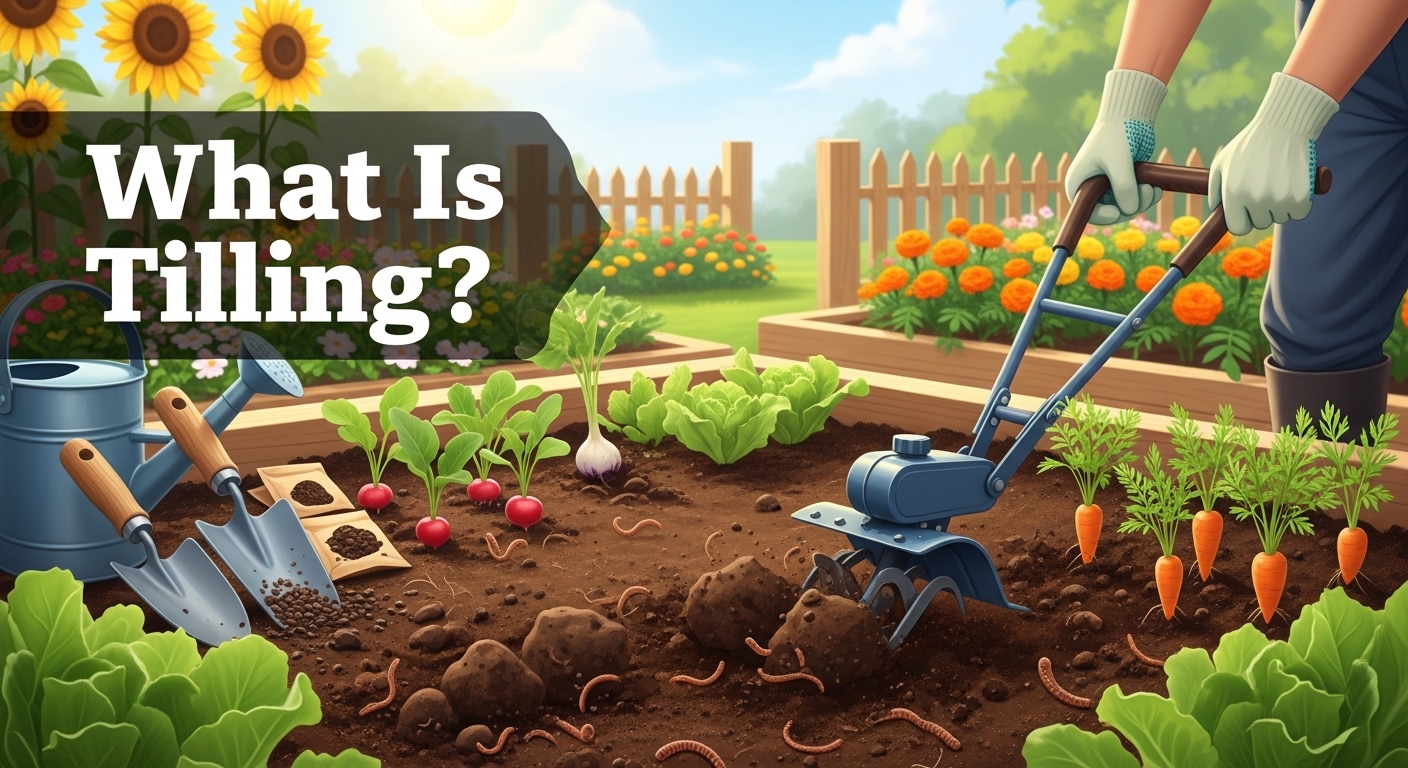
You often hear about soil preparation techniques that reshape garden beds completely. Tilling stands out as a deeper approach many gardeners rely on for new projects. It sets the stage for strong starts in your space.
Why Is Tilling Important?
What is tilling involves turning soil to a depth of eight to ten inches. This action breaks up hard layers and mixes in nutrients well. Gardeners choose it to ready areas for planting fresh crops. It also warms the ground faster in spring months. Proper timing prevents damage and supports better drainage overall. You gain improved conditions that help seeds sprout quickly.
Pros and Cons of Soil Tilling
Tilling the ground delivers several advantages gardeners appreciate right away. It breaks up compacted soil and allows easy root expansion below. Air reaches deeper zones while organic matter gets mixed evenly. Yet repeated sessions create real drawbacks over time. Soil structure suffers and erosion risk rises sharply. Many notice dormant weed seeds brought up to the surface too. Balance your efforts carefully to avoid long-term issues.
| Pros of Tilling | Cons of Tilling |
| Improves drainage fast | Destroys natural soil structure |
| Incorporates amendments deep | Increases erosion risk |
| Prepares new beds well | Reduces beneficial soil biota |
What is Cultivated Soil?
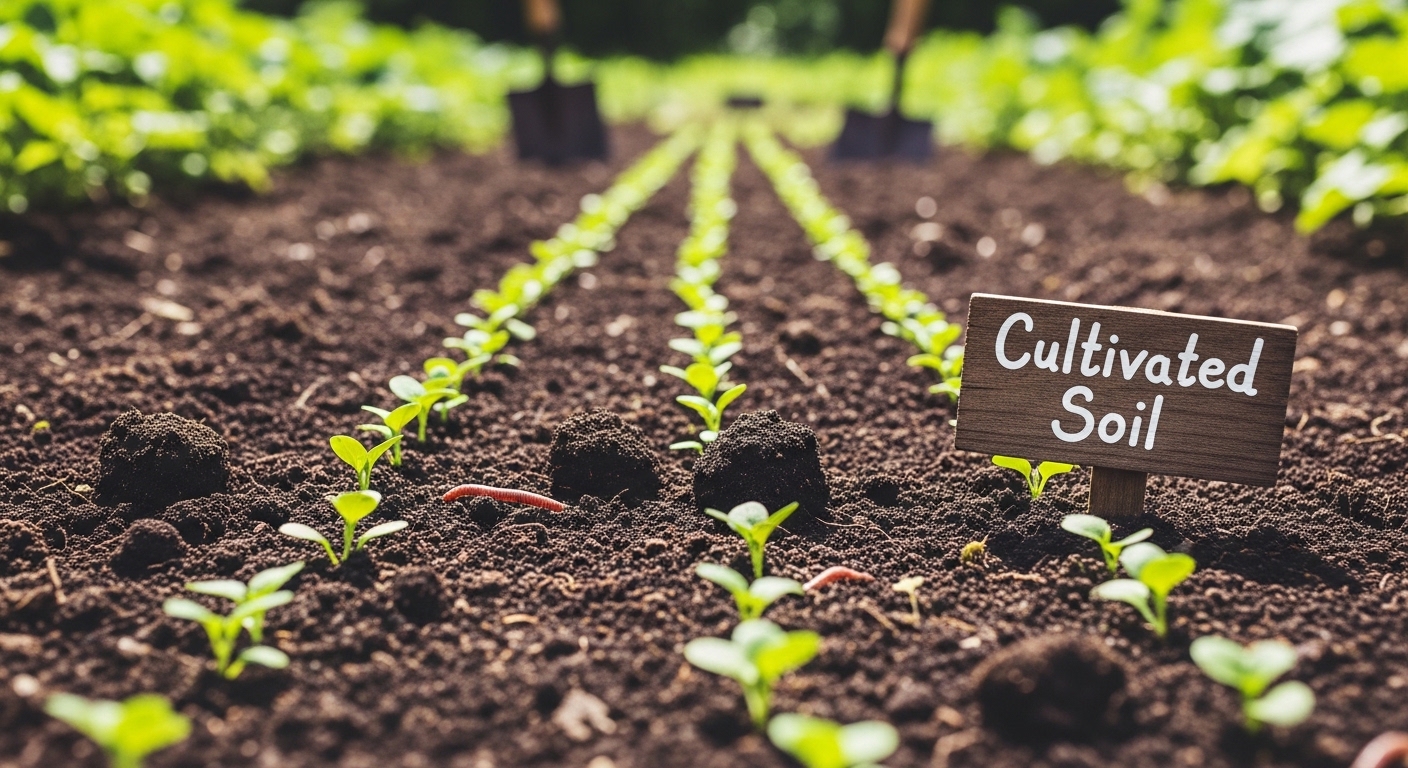
Gardeners turn to lighter methods after initial bed setup finishes. Cultivated soil focuses on surface care that keeps everything balanced nicely. This approach maintains ongoing productivity without heavy disturbance.
Why Cultivating Soil Is Important?
What is cultivating refers to shallow work on the top few inches of earth. It keeps beds loose and ready for steady plant growth. You control weeds effectively while preserving vital underground networks. This method supports organic matter cycling and nutrient flow to roots. Regular sessions enhance tilth (soil physical condition) for better water movement. Your plants respond with stronger performance and fewer problems overall.
Pros and Cons of Cultivating Soil
Cultivating soil beds brings gentle benefits that many prefer for established gardens. It loosens top few inches and promotes improved root growth without flipping layers. Weed pressure drops and air penetration increases nicely. Still certain risks appear if you push too hard. Soil compaction risk can build in wet conditions over time. Balance frequency to protect the living ecosystem below.
| Pros of Cultivating | Cons of Cultivating |
| Preserves soil structure | Limited depth for heavy compaction |
| Reduces weed pressure | Requires more frequent sessions |
| Can help manage moisture levels when done correctly | Less effective for new bed prep |
How Does Cultivating Differ from Tilling?
These two soil practices serve distinct purposes in your garden routine. Cultivating keeps the surface active while tilling remakes deeper layers entirely. The choice depends on your current bed condition and goals.
Cultivating works the top layer lightly for maintenance tasks. Tilling turns soil much deeper to reset compacted zones. You notice clear impacts on structure and biology right away. Shallow work protects microbes better than deep flips. Deep action suits brand new plots best of all. Smart gardeners combine both for maximum results over seasons.
- Cultivating disturbs less and retains moisture better.
- Tilling breaks hard pans but risks erosion.
- Timing matters for each method every year.
- Results show in plant vigor and yield size.
How to Cultivate Soil
You now understand basic differences and want practical steps to apply them. Cultivating fits ongoing care for healthy beds throughout the year. Follow these targeted approaches to achieve consistent success easily.
Understanding What Cultivation Means for Your Garden
Many ask cultivating definition when they plan regular bed care. Garden cultivating keeps the surface loose without major flips. You focus on shallow cultivation to support active root zones. This method enhances nutrient accessibility while avoiding deep damage. Start with dry soil for best texture results. Your efforts build tilth (soil physical condition) that plants love.
Selecting Tools Like a Soil Cultivator
Choose the right equipment for smooth cultivating the garden sessions. A soil cultivator works well for light surface stirring. Hand tools such as a digging fork offer precise control too. Tillage tools like broad forks loosen without inverting layers. Test soil moisture first to prevent clumping issues. Proper selection saves time and protects bed health long term.
Preparing Soil Beds for Shallow Cultivation
Begin with soil cultivating by clearing debris and weeds carefully. Check conditions to avoid working wet ground ever. Loosening soil in the top few inches prepares everything nicely. Add light compost before you start gentle passes. This step supports better seed germination in upcoming plantings. Your beds stay productive with minimal effort afterward.
Executing Gentle Techniques for Weed Control Strategies
Apply weed control strategies during cultivating soil beds to stay ahead. Weed removal happens when you disturb the surface lightly. Interrupt weed germination by exposing roots to air and sun. Avoid deep cuts that bring buried seeds upward. Repeat every few weeks in active seasons. Results show cleaner beds and stronger crops overall.
Mixing Soil Amendment During Your Work
Incorporate soil amendment while you perform garden cultivating tasks. Incorporation of organic material boosts fertility without heavy machinery. Spread compost evenly across the bed surface first. Work it into the top layer gently with tools. This practice improves water infiltration and holds moisture longer. Plants access nutrients faster after each session ends.
Avoiding Risks Like Soil Compaction in Beds
Watch for soil compaction risk whenever you cultivate regularly. Stay off beds when soil feels heavy or wet. Use boards to spread your weight during work. Reduced tillage options help limit damage over years. Monitor soil texture changes after each pass you make. Healthy habits keep your garden ecosystem thriving strongly.
Monitoring Results After Garden Cultivating
Evaluate outcomes once cultivating the garden work finishes completely. Check improved root growth and plant response in coming weeks. Note any reduced moisture-holding ability if sessions were too frequent. Adjust timing based on weather and crop needs. Enhanced garden productivity appears when you stay consistent. Your soil stays balanced for seasons ahead.
How to Till Soil
Deeper preparation becomes necessary for brand new or heavily compacted areas. Tilling resets the ground effectively when done with care. These steps guide you toward strong starts every time.
Deciding the Best Time to Till for Garden
Choose when to till vegetable garden based on soil readiness first. Autumn tilling lets winter weather break clods naturally. Avoid wet or frozen conditions that cause lasting harm. Spring sessions work once ground thaws fully. Proper timing supports tilling drainage improvement right away. Your beds warm faster for early plantings.
Picking Tools for Tilling the Ground
Select sturdy options when you plan tilling the ground seriously. A rotary tiller handles larger spaces with ease. Hand tools like spades suit smaller plots well. Soil tillers and cultivators combine functions for versatile use. Test equipment on a small area beforehand. Good choices prevent fatigue and deliver even results.
Preparing New Garden Bed for Deep Work
Clear vegetation before you start new garden bed prep. Breaking compacted soil requires the removal of old roots completely. Mark boundaries and test soil moisture levels next. Deep cultivation for new beds needs careful planning ahead. Remove rocks and debris that could damage tools. This foundation sets up success for future crops.
Performing Tilling Soil at Correct Depth
Execute tilling soil at eight to ten inches maximum depth. Tilling depth (8–10 inches) prevents excessive disruption below. Make slow passes to mix layers evenly. Primary vs. secondary tillage guides your approach each time. Stop if soil sticks to equipment heavily. Even work creates ideal conditions for planting.
Incorporating Organic Material While Tilling
Add soil amendment during tilling garden beds for instant fertility boost. Organic matter incorporation happens as you turn layers over. Spread compost before the final pass begins. Mixing soil amendments distributes nutrients throughout the bed. This step supports soil biota recovery afterward. Plants benefit from richer conditions immediately.
Handling Potential Drawbacks of Tilling the Soil
Manage risks like erosion risk after tilling the soil sessions end. Topsoil turning exposes bare ground to rain impact. Apply mulch quickly to protect the surface well. Watch for soil structure disruption in following weeks. Reduced tillage methods offer gentler alternatives long term. Balance helps maintain overall garden vitality.
Exploring Reduced Tillage Options for Sustainability
Consider reduced tillage to limit soil compaction problems over years. No-till gardening preserves soil biota and structure beautifully. Rotate light cultivation with occasional deeper work instead. Mixing topsoil aeration happens naturally with cover crops too. Your efforts build resilience against weather extremes. Sustainable choices support productive gardens indefinitely.
Conclusion
You now hold practical knowledge about cultivated soil and till soil practices. Both methods play vital roles in creating thriving gardens when applied wisely. Choose based on bed age and your specific goals ahead.
- Test the soil before any major work begins.
- Combine techniques for balanced long-term health.
- Monitor results and adjust timing yearly.
- Protect the structure to sustain productivity forever.
While understanding these soil principles is vital, implementing them consistently requires professional expertise. That’s where MPR Landscapes comes in. We become a reliable partner for your home or business which is why we take immense pride in bringing a hands-on and personal approach to every property we work on.
FAQ Section
What Is the Main Difference Between Tilling and Cultivating?
Pros and cons of cultivation highlight surface focus versus deeper action. Pros and cons of tilling show more disruption but faster resets. Primary vs. secondary tillage explains the core contrast clearly. What is cultivating stays shallow, while tilling inverts layers. Pick based on your current soil needs.
When Should I Till Versus Cultivate My Garden?
When to cultivate fits established beds for light maintenance work. When to till suits new plots or heavy compaction fixes. Autumn tilling prepares ground for spring planting nicely.
Till for garden in dry conditions to avoid clods. Match timing to weather and crop cycles always.
Is It Possible to Overdo Soil Tilling?
Yes. Frequent tilling can destroy natural soil structure. Soil health suffers when you repeat deep sessions often. Erosion risk rises and microbes decline sharply.
Switch to lighter garden soil preparation methods instead. Balance keeps your beds productive for many years ahead.
Can I switch between tilling and cultivating in the same season?
Yes, you can use both in the same growing season depending on soil needs. Many gardeners till once at the beginning of a season to prepare or reset the soil, then switch to light cultivation for maintenance. The key is to avoid repeated deep tilling, while using cultivation regularly to keep the soil loose and weed-free.
