
Introduction
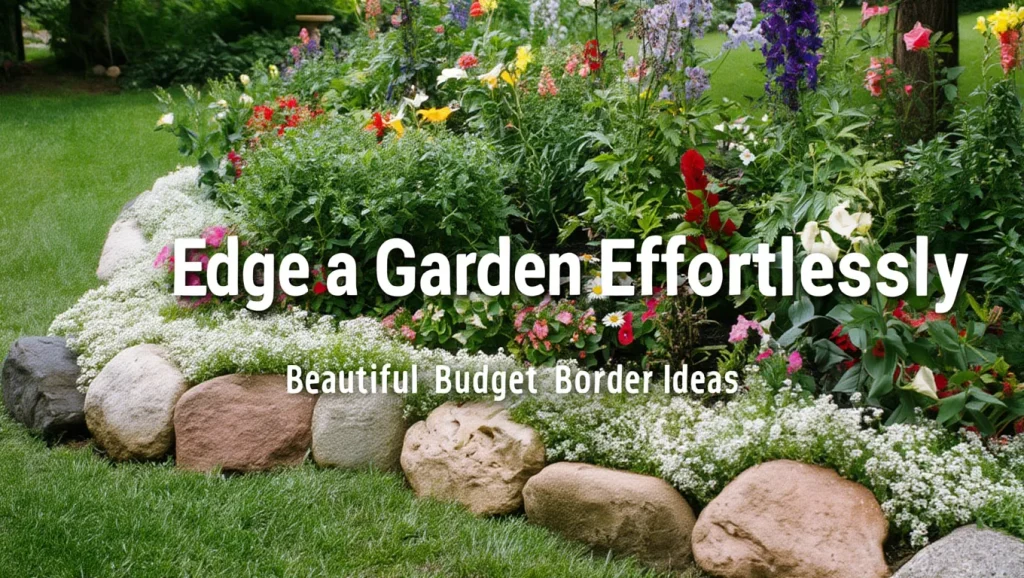
Having a professional-looking landscape does not require a massive investment or complex machinery. The secret to a polished yard lies in garden edging. It is just a simple process of creating a distinct line between your lawn and your planting areas. And if you want to edge a garden effortlessly on a budget, you have options. You can use the trenching method for a very natural look. Or you can install recycled materials like brick and stone. By defining your bed lines and clearing away messy overgrowth, any homeowner can create a nice landscape. This highlights your favorite plants perfectly. Then, you can use affordable tools like a garden spade to achieve a crisp border finish. Whether your goal is to stop grass encroachment control or just boost curb appeal, these techniques help. They allow you to enjoy a clean, structured outdoor space all year. Let’s learn more about affordable garden edging.
How To Edge A Garden
Imagine a yard where the grass knows exactly where to stop and the flowers have a stage to shine. It would obviously look beautiful, right? But this does not always happen naturally. It is the result of a thoughtful garden border DIY project. We’re here to help you understand how to do it.
How To Edge A Garden Bed
Creating the perfect shape requires a bit of planning before the first bit of dirt is moved. Here’s how to garden edging:
- Lay the Foundation: To define bed shape with hoses, lay a heavy irrigation hose for layout along the ground to visualize the flow.
- Finalize the Curve: Once the hose line for edging looks right from a distance, walk along it to ensure the shaping garden beds process feels balanced.
- Slicing the Perimeter: Use a garden shovel to follow the hose. Slicing vertically into the turf to establish a permanent bed line definition.
- Remove the Turf: Lift the grass clumps along the inside of the cut to reveal the fresh soil underneath.
- Check for Level: Use a level to ensure the ground isn’t sloping awkwardly toward the house.
- Smooth the Interior: Use a rake to level the soil inside the bed. It should sit slightly lower than the grass line.
- Final Inspection: Step back and view the curves from the street to ensure the silhouette matches your vision.
Different Garden Border Design Ideas
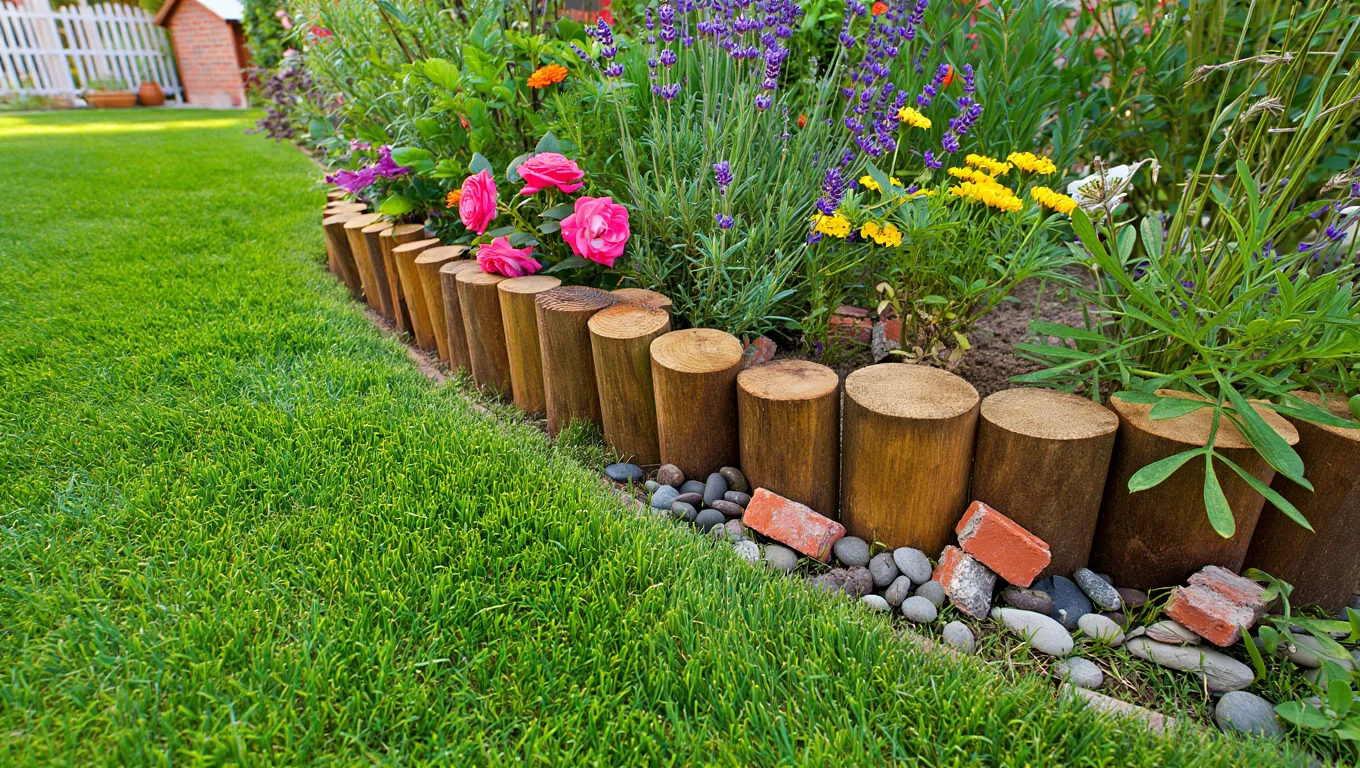
Every garden has a personality. The garden-border aesthetics you choose will tell a story.
- The Stone Look: Using reclaimed stone or indigenous stone creates a stone edging that feels like it has been there for centuries.
- Natural Textures: A pea gravel border or decomposed granite border adds a soft texture of borders that contrasts beautifully with green foliage.
- Modern Metals: For a sleek look, metal strip edging or a simple metal strip provides a nearly invisible, crisp barrier.
- Woodland Charm: A wood-scrap border made from cedar limbs or branches creates a wonderful, forest-like atmosphere.
- Repurposed Beauty: Old terra cotta shards or tiles can be used to create a jagged, artistic boundary.
- Living Edges: Low-growing herbs like thyme can be planted right at the line to create a fragrant, soft transition.
- Bespoke Paths: Larger flat rocks can serve as both a boundary and a stepping stone path along the bed.
Best Garden Border Ideas
This year, the trend is moving toward the sustainable garden border. We’re all focusing on longevity and planet-friendly choices.
- Industrial Chic: Steel edging is incredibly popular for those wanting a modern border that withstands the elements… without rusting through.
- Artistic Recycling: A glass bottle edging or glass bottle border uses colorful recycled glass to catch the sunlight and add whimsy.
- Textured Gravels: Combining decomposed granite edging with larger stonework creates a layered, professional appearance.
- Woven Willow: Traditional “wattle” fencing made from flexible twigs is seeing a massive resurgence for cottage gardens.
- Solar Integration: Borders that feature built-in, low-profile solar lighting strips are becoming a standard for night-time safety.
- Minimalist Concrete Edging: Poured or pre-cast slim concrete sections offer a Brutalist look that complements modern architecture.
- Mixed Media: Combining heavy timber with river stones creates a high-contrast, high-end visual for front yards.
How To Build A Brick Edging In Garden
A brick border offers a classic border look that is both sturdy and easy to maintain.
- Dig a small trench about two inches deep to cradle the bricks.
- Using reclaimed brick is a great way to lower the garden border cost while adding instant character.
- Place each piece of brick edging snugly against the next to prevent shifting.
- This step prevents soil settling and keeps the line straight even after heavy rains.
- Sweep sand or fine soil into the cracks to lock the masonry in place, creating a perfect walk-way edge.
- Gently use a rubber mallet to tap the bricks into the earth so they sit flush with the lawn.
- Push the garden soil back against the inner side of the bricks to provide structural support.
How to Perform Flower Bed Edging
Focusing on the edging landscaping beds specifically helps highlight delicate blooms.
- For a soft look, use river rock border or river rock edging.
- Dig a small trench and lay your material. If using vinyl edging or plastic edging, ensure it is buried deep.
- Use heavy-duty plastic or metal stakes to pin your edging down. So it doesn’t “pop up” during winter freezes.
- If using strips, overlap the joints by several inches to prevent grass from sneaking through the gaps.
- Spread a fresh layer of mulch right up to the new lawn edge to create a professional, dark contrast.
- Ensure the color of borders matches your home’s exterior for a cohesive landscape.
- Use garden shears to snip away any stray grass blades that were missed during the digging process.
What are the Pros and Cons of Strip Edging versus Trench Edging?
Choosing between a physical barrier and a dug-out path is the most important decision in garden border installation.
Strip Edging: The Permanent Barrier
This is a form of decorative edging. It involves burying a piece of plastic, metal, or rubber to act as a wall.
- Superior Defense: It is excellent for bermuda grass edging because it blocks roots underground from migrating.
- Affordability: Options like vinyl strip edging and rubber strip edging are very budget-friendly and easy to transport.
- Clean Lines: It provides a perfectly straight or curved line that never loses its shape over time.
- Long-lasting: High-quality metal edging can last for decades. No need to replace or repair every two weeks.
- Installation Difficulty: It requires a fair amount of digging to get the strip deep enough to be effective.
- Visual Obstruction: Some gardeners dislike seeing the “lip” of rubber edging or plastic along their plants.
Trench Edging: The Natural Choice
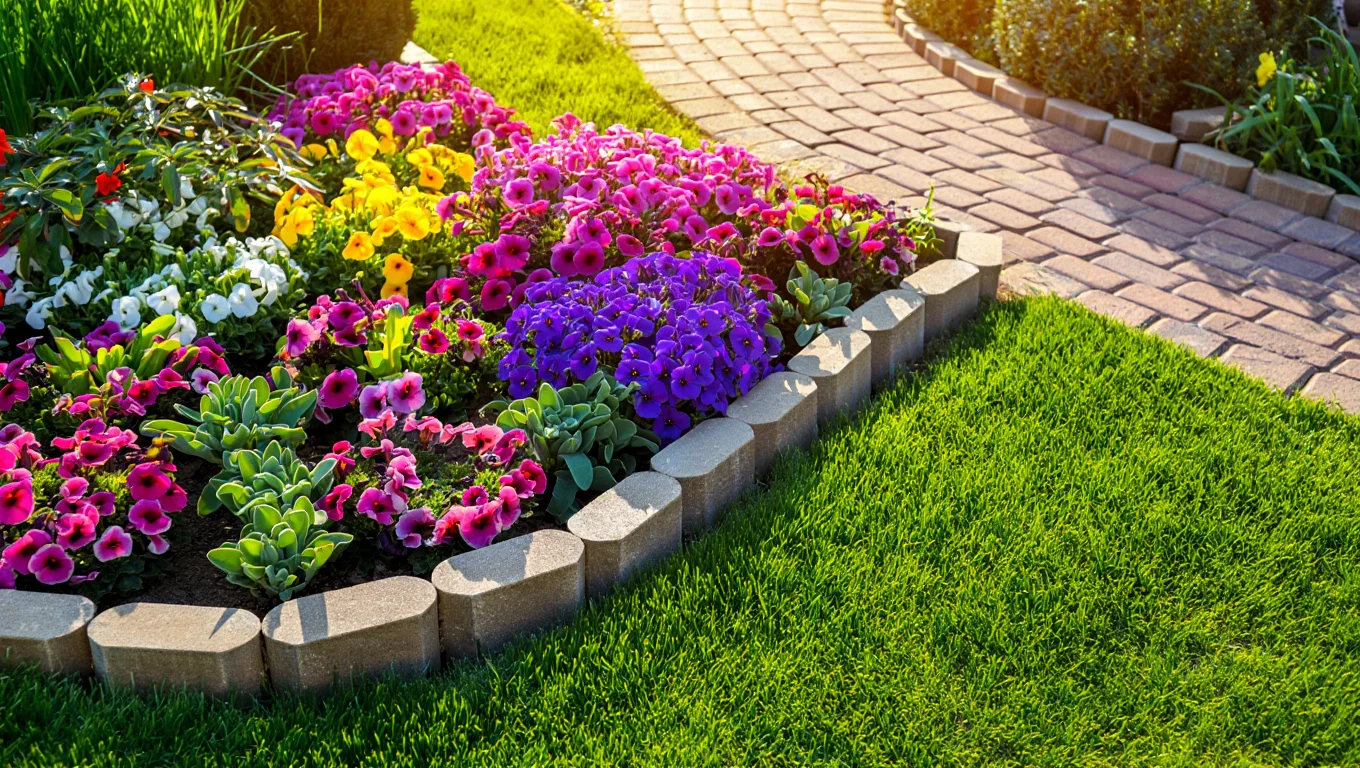
The trench edge is simply a deep groove cut into the earth.
- Zero Material Cost: It is a cheap garden border that costs nothing but your time and effort.
- Mower Friendly: It makes lawn maintenance at edges easy because there is nothing for the mower blade to hit.
- Natural Aesthetic: It creates a professional “shadow line” that is highly sought after in luxury estate gardening.
- Flexibility: You can change the shape of your garden beds every year without wasting any materials.
- Eco-Friendly: Since there is no plastic or metal involved, it is the most environmentally conscious choice.
- Maintenance Needs: It requires more garden border maintenance as the soil can wash back into the trench.
- Erosion Risks: In areas with very heavy rainfall, the trench can wash away if the soil is too sandy.
What Tools and Techniques Help Keep a Trench Edge Tidy Over Time?
A beautiful turf edge requires the right instruments and a bit of routine care to stay sharp and clean.
The Right Tools for the Job
- The Sharp Flat Spade: A sharp flat spade is the best tool to cut a trenched edge because it creates a clean, vertical wall.
- The Specialized Shovel: A trench digging shovel is narrow and perfect for maintaining the correct trench depth.
- The Finishing Tool: Use a manual edger or a hoe for edging to scrape away new weeds that try to cross the line.
- Protective Gear: Always wear sturdy boots to provide the necessary leverage when stepping on the spade.
- Marking Paint: Keep a can of landscape paint handy to re-mark your lines before doing your annual maintenance.
- Hand Weeder: A small hand tool is perfect for pulling out stubborn grass roots that have jumped the trench.
- Stiff Broom: Use this to sweep stray mulch or soil back into the bed and off the grass for a clean finish.
Techniques for Longevity
- The Perfect Cut: Always aim for a V-shaped trench cut. The side against the grass should be vertical to block roots.
- Manage the Slope: Ensure the trench soil slope leads back toward the garden to prevent water from pooling at the grass line.
- Managing the Lawn: Use a weed-eater for periodic edging trim to keep grass blades from leaning into the trench.
- Proper Angle: Hold the weed-eater use on edges at a 90-degree angle to the ground for the crispest possible look.
- Annual Refresh: Perform spade trenching or shovel trenching at least once a year to reinforce trench edge walls.
- Check the Depth: Use a ruler or a mark on your shovel to ensure your trench stays consistently 4-6 inches deep.
- Clear the Debris: After every mow, blow out any grass clippings that have landed in the trench to prevent them from seeding.
FAQ Section
What low-cost options are available for creating garden borders?
When you are hunting for an inexpensive garden border, you really have to think outside the big-box store aisles. You can go for the ultimate minimalist move with a V-shaped trench. It costs nothing but a bit of time and effort. You just carve a deep, clean line right into the dirt. It’s the “no-makeup” makeup look for your yard. If you want something with more texture, try pea gravel edging. It provides a crisp, stony crunch that feels expensive even though it’s totally a low-cost edging hack.
Edging for a garden can also be about repurposing what you already have. A wood-scrap border made from old fencing or pallet slats adds an instant, lived-in charm. It’s soulful and sturdy. If you need a fast fix, plastic edging is the reliable, no-nonsense choice for keeping things tidy. Edging the garden is basically just giving your plants a frame so they can truly pop. It’s about creating a boundary that makes the whole space feel intentional. It’s easy on the wallet. It’s high on impact.
Which recycled edging materials can I use for a budget-friendly garden border?
Building an upcycled garden border is the ultimate weekend project for people who love a good comeback story. It is all about giving old things a second life.
For a budget garden border, you can start simple. For instance, by bordering garden beds with a quirky glass bottle edging. Just flip colorful wine or soda bottles upside down into the dirt. It looks like stained glass when the sun hits.
If you want something more earthy, a wood-scrap edging made from old pallet slats or cedar pieces works perfectly. It gives that effortless, rustic border vibe. You can even create a terra-cotta pot border by lining up half-buried clay pots. It’s a total mood.
For a sturdier look, a classic stone border using rocks found right in your yard is as eco-friendly edging as it gets. Just remember to use a long hose to map out your curves before you start digging. It keeps everything flowing and easy. It’s cheap. It’s green. It’s entirely yours.
How can I create a cohesive, unified landscape using garden borders?
You have to commit to the bit. It’s all about consistency. Pick one garden-border style and stick with it like a favorite summer playlist. If you go with a hardscape border in the front, don’t swap it for something flimsy in the back. Use that same material for your driveway border and your patio edge. It makes the whole yard feel like it belongs together.
Pay attention to the color of borders too. You want them to hum in harmony with your house siding or your porch furniture. Maybe add an ornamental border around your showstopper flowers to give them a little extra spotlight. When you repeat these textures, you get a perfectly cohesive landscape. It’s clean. It’s intentional. It just works.
Conclusion
So, you see that transforming your outdoor space is really all about the lines you draw. It is easily achieved through the art of garden edging. And by utilizing simple techniques like spade trenching or installing a brick border, you create a clear boundary. This defines your yard’s character. But whether you choose a low-cost edging solution like the trenching method or a more permanent hardscape border, the goal remains the same. You want to establish a unified landscape. Then, you just have to remember that consistent edging maintenance is key. A quick weed-eater trim or a seasonal periodic edging trim will keep those bed lines sharp for years. It stops grass encroachment control and elevates the garden-border aesthetics of your home. With basic tools & fun ideas, you can edge flower bed yourself.
If you would rather have experts do it, feel free to contact : MPR Landscapes.
