
Introduction
Bubbling Rock:
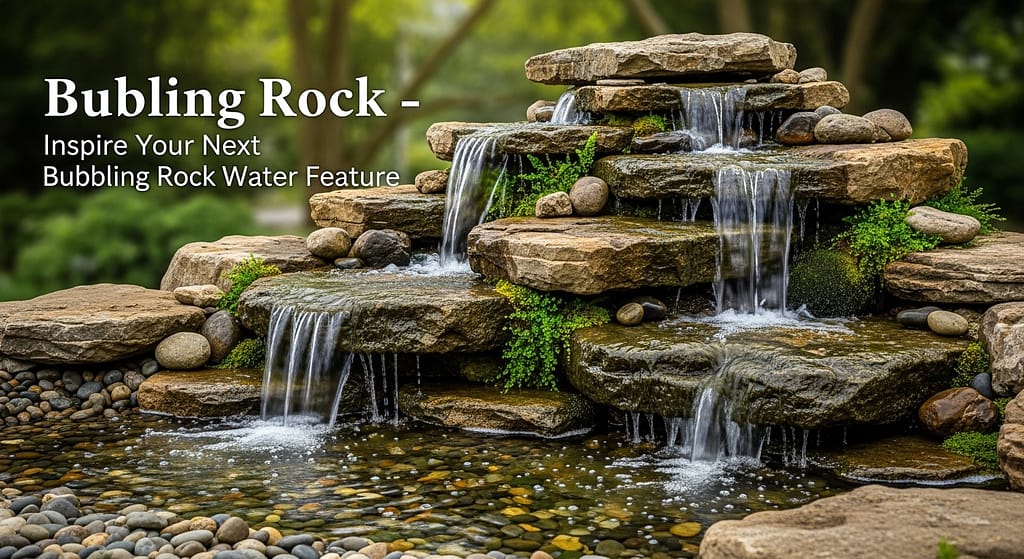
Nature has a special way of making us feel calm and relaxed. So, naturally, many people want to bring that feeling into their own home. A bubbling water feature is a great way to do this. These features use real stones to create a small and peaceful escape in your yard. You can hear the water move. You can see the light reflect off the wet surface. It is a simple project that changes the whole mood of your space.
Stone size affects the water flow and sound. Larger stones create slower, deeper sounds, while smaller, decorative stones produce a gentle trickle.
This blog by MPR Landscapes will teach you about the different types of rocks. We will also learn how to build one yourself. Let us explore how these features work and why they are so popular for every modern backyard!
What is a Bubble Rock?
A bubble rock is a natural stone that has a hole drilled through its center. A pump sits underneath the stone in a hidden tank. This pump pushes water up through the pipe. Then the water comes out of the top of the stone. It does not spray high like a big fountain. Instead, the water just rolls over the sides. It creates a soothing sound that many people love. The water disappears into a bed of gravel. It then goes back into the tank to start again. This is often called a pondless system because you do not see a pool of water. It is very safe for kids and pets.
Building one of these is like making a backyard sanctuary. You get to pick a stone that looks unique. Some stones are tall and skinny. Others are round and heavy. The water makes the colors of the stone look bright and refreshing. It turns a dry and dull rock into a shining focal point. Some natural rocks have bubble-like formations. We will look at the science of that next. It is very different from the garden features we see in a landscaped yard. Both are interesting in their own way.

What Type of Rock Has Gas Bubbles?
In the world of science, some rocks have real bubbles. These are called igneous rocks. They are born from hot lava. When a volcano erupts, the lava is full of gas. This gas is under a lot of pressure. But when the lava hits the air, the pressure goes away. The gas tries to escape very fast. This creates little holes in the cooling stone. Geologists call these holes vesicles. If the lava cools quickly the holes stay there forever. This gives the rock a very rough stone texture. It looks like a sponge made of hard mineral material.
One famous example is pumice. This rock is very light. It can actually float on a flowing stream because it is full of air. Another example is basalt which often has these tiny gas pockets. Sometimes these holes get filled with other minerals over millions of years. This creates beautiful patterns inside the bedrock. You can find these rocks in places with old volcanoes. It is amazing to think that a solid slab of stone was once a frothy liquid!
How to Make a Bubble Rock Fountain
Building a fountain requires a clear plan. You need to follow these steps to ensure the water stays clean and the pump stays safe.
- Step 1. Pick a location that is close to an electrical outlet. You need power for the pump to move the water. This saves you from running long wires across the garden.
- Step 2. Dig a hole that is slightly larger than your water basin. The basin acts as the oasis for your water supply. It must sit deep in the ground so the top is level with the soil.
- Step 3. Place the basin in the hole and add a layer of sand. The sand helps you level the tub perfectly. A level basin prevents the water from overflowing on one side.
- Step 4. Install the submersible pump at the bottom of the basin. This pump is the heart of the system. It keeps the water circulating through the rock.
- Step 5. Connect the plumbing pipe to the pump outlet. The pipe carries the water up to the stone centerpiece. Make sure the connection is tight to avoid leaks.
- Step 6. Fill the basin with water and test the pump. It is better to check the flow now. Then you do not have to move a heavy boulder later if the pump fails.
- Step 7. Place the decorative rock over the basin. The pipe should go through the hole in the stone. This makes the water look like it is seeping out naturally.
Bubbling Rock Fountain Kit
If you are new to this you can buy a kit. A kit is a harmonious collection of all the parts you need. It usually comes with a basin and a pump and the hose. Some kits even include a sculpted stone that is already drilled. This saves you a lot of time and effort. You do not have to worry about the parts not fitting together. The instructions are usually very easy to read. But you still have to do the digging.
These kits include a molded basin that can hold a lot of weight. It also comes with a pump that has a high power output. You get a piece of pre-drilled rock that looks like a natural granite piece. The kit may also include all the small fittings to stop leaks. This is perfect for someone who wants a relaxing weekend project without any stress. It makes the whole process very simple and fast.
Unique Bubbling Rock Fountain Ideas
Once you understand how bubble rocks work, it’s fun to explore different ways to showcase them. Here are some ideas you’ll love!
1. The Basalt Column Trio
Use three tall columns of different heights. This creates a modern and clean look for a courtyard. The different heights produce various sounds as the water falls. It makes the area feel more alive.
2. The Stacked Slate Pyramid
Stack flat pieces of slate on top of each other. The water will create a cascading effect over the edges. It looks like a tiny mountain spring. This style works great in a meditation garden.
3. The Mossy River Boulder
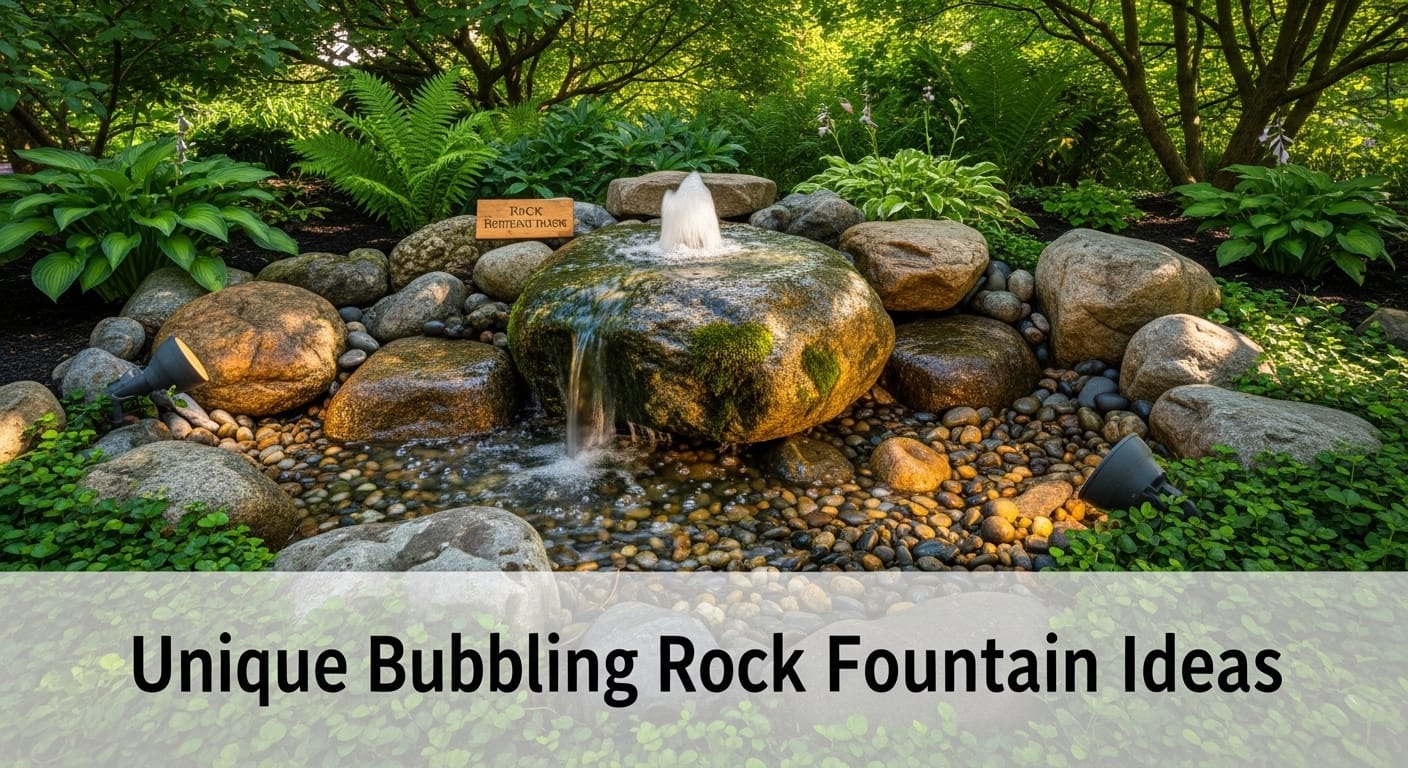
Choose a round rock that already has moss growing on it. This makes the feature look like it has been there for decades. It adds a naturalistic feel to a shady corner. The water keeps the moss healthy and green.
4. The Glowing Quartz Stone
Use a semi-translucent rock like quartz. Place a light inside the basin pointing up. At night the whole rock will glow from within. It creates a zen-like atmosphere for your patio.
5. The Driftwood and Rock Combo
Mix a large piece of wood with your stone. The water can flow over the rock and onto the wood. It creates a very organic and earthy aesthetic. This is perfect for a forest-themed yard.
6. The Polished Marble Sphere
A polished stone shaped like a ball looks very elegant. The water forms a thin film over the surface. It shines brightly in the sun. This is a great choice for a formal entryway.
7. The Hidden Grotto
Tuck your bubbling rock inside a cluster of tall plants. This makes it a hidden surprise for guests. They will hear the gurgling before they see it. It adds mystery to your outdoor space.
How to Build a Bubbling Rock Water Feature
Building from scratch gives you the most control. You start by selecting a unique rock formation from a local yard. Then you need to use a drill. You must use a diamond bit to get through hard stone like granite.
- Step 1. Secure the rock so it does not move while you drill. Safety is the most important part of this task. A moving rock can break your tools or hurt your feet.
- Step 2. Use a garden hose to keep the drill bit wet. The water stops the bit from getting too hot. This prevents the stone from cracking during the drilling process.
- Step 3. Drill straight through the center of the rock. You want the water to exit at the highest point. This creates the best waterfall effect as it spills down.
- Step 4. Dig the reservoir hole and line it with a pondless basin. The basin keeps the water from draining into the soil. It ensures the system is sustainable.
- Step 5. Thread the water tube through the stone. Use a bit of silicone sealant at the top. This forces the water to bubble up instead of falling back down the hole.
- Step 6. Surround the base with a small pebble layer. This hides the plastic edges of your basin. It makes the rock look like it is part of the landscape.
Conclusion
Creating a bubbling rock fountain is a rewarding journey. It blends the raw beauty of geology with the art of landscaping. You can choose a rock that was formed in a volcano millions of years ago or you can simply pick a stone that looks good in your garden. The process requires some physical work and a bit of planning, but the result is a serene retreat that lasts for many years. It brings nature closer to your home. It provides a sanctuary for you and the local wildlife.
When you want your outdoor space to actually feel finished and not just “done,” it helps to work with a team that gets it. MPR Landscapes works closely with you to understand what you’re trying to create. Whether it’s a clean new patio or a refreshed garden bed. We handle everything: stonework, planting, seasonal maintenance, you name it. This ensures you are not juggling multiple contractors. Rest assured that our focus will always be on quality workmanship & attention to detail. In the end, you get an outdoor space that feels natural and easy to enjoy. Every single day.
FAQ Section
How does a bubble rock work?
Generally, water is pumped through a drilled hole in the stone. How the water flows, whether it’s a gentle trickle or steady bubbling, can vary based on the rock’s shape, size, and the type of pump used.
What size pump for bubbling rock?
That depends on several factors like the height of the rock, how wide it is, and how strong you want the flow. Smaller rocks often use a lower-capacity pump. Taller or wider stones usually need something a bit more powerful.
Why is my water feature bubbling?
Bubbling can appear if:
- The air is caught in the pump or tubing.
- The water levels are low.
- The flow is adjusted too high.
Observing the system usually helps figure out what’s causing it.
How do I maintain a bubbling rock water feature?
Regularly check the water level to ensure the pump does not run dry. Clean the pump & tubing every few months. This helps remove debris or algae buildup. Remove leaves or sediment from the basin. If algae starts forming on the stone, gently scrub it with a soft brush to maintain its appearance.
Can I leave my bubbling rock outside all year?
No. Freezing temperatures can damage pumps and water systems. Either drain the water and store the pump indoors during winter or invest in a frost-resistant pump.
